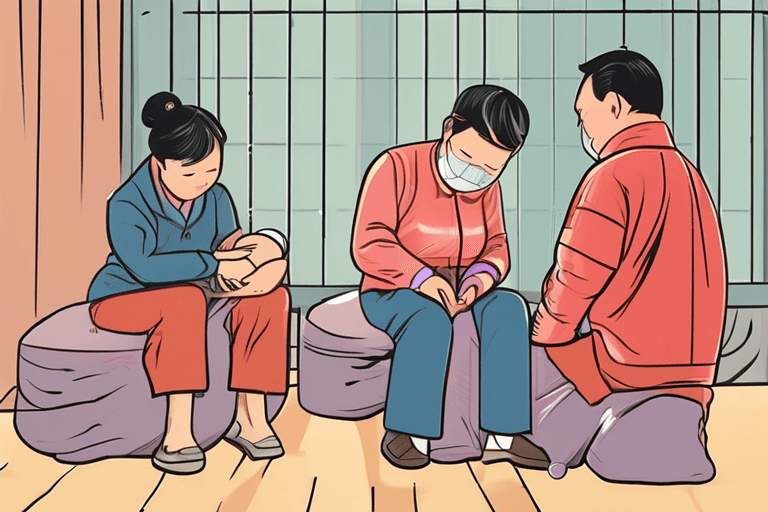
China's birth rate reached a record low in 2025, despite government initiatives aimed at encouraging larger families. The decline highlights the complex interplay of economic pressures, social trends, and policy effectiveness in shaping demographic outcomes.
The National Bureau of Statistics reported the birth rate fell to a historic low, continuing a trend observed over recent years. This occurred despite the government relaxing its decades-long one-child policy and introducing measures such as extended maternity leave and financial incentives. Experts suggest the high cost of raising children in urban areas, coupled with increasing career aspirations among women, are significant factors contributing to the declining birth rate.
The falling birth rate presents several challenges for China's future. A shrinking workforce could strain the economy, while an aging population places increased pressure on social security and healthcare systems. These demographic shifts necessitate adjustments in economic and social policies to mitigate potential negative impacts.
The government has explored various strategies to address the demographic challenge. These include promoting family-friendly workplaces, increasing access to affordable childcare, and raising awareness about the importance of family values. However, the effectiveness of these measures remains to be seen, as deeply ingrained societal norms and economic realities continue to influence individual decisions about family size.
Looking ahead, China faces the task of adapting to a changing demographic landscape. Further policy adjustments, coupled with efforts to address the underlying economic and social factors influencing fertility rates, will be crucial in shaping the country's future. The government is expected to continue monitoring the situation closely and exploring new approaches to encourage higher birth rates.

















Discussion
Join the conversation
Be the first to comment