Science communication faces a funding crunch, creating an urgent need for innovative approaches to demonstrate the value of scientific research. With funding cuts looming (Nature 645, 298-300; 2025), the reliance on traditional communication methods is proving insufficient.
Art-science collaborations, while effective, remain underutilized. A recent Nature article (Nature 649, 827; 2026) highlights the potential of these collaborations to bridge the gap between scientific findings and public understanding. However, the current level of investment and adoption is not keeping pace with the growing need for effective science communication.
The market impact of improved science communication is significant. Increased public trust in science can translate into greater support for research funding, leading to a more robust scientific ecosystem. Conversely, a lack of trust can result in decreased funding and slower scientific progress. The potential return on investment for art-science initiatives is substantial, yet quantifying this return remains a challenge.
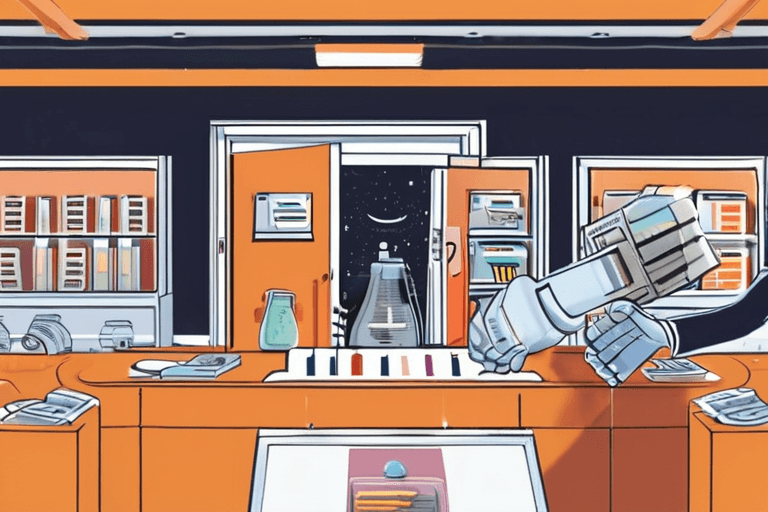
The scientific community has long relied on publications and conferences to disseminate findings. However, these methods often fail to reach a broader audience. Art-science collaborations offer a way to translate complex scientific concepts into accessible and engaging formats, fostering a deeper understanding and appreciation of science among the general public. This approach is particularly relevant in the age of AI, where algorithms and data analysis are increasingly shaping our world. By using art to explain AI concepts clearly, scientists can help the public understand the implications of this technology for society and address potential concerns.
Looking ahead, the integration of art into science communication is poised for growth. As funding pressures intensify, scientists and institutions will likely explore new and creative ways to demonstrate the value of their work. Art-science collaborations, leveraging the power of visual storytelling and emotional connection, offer a promising path forward. The challenge lies in securing adequate funding and fostering a culture of collaboration between artists and scientists.
















Discussion
Join the conversation
Be the first to comment