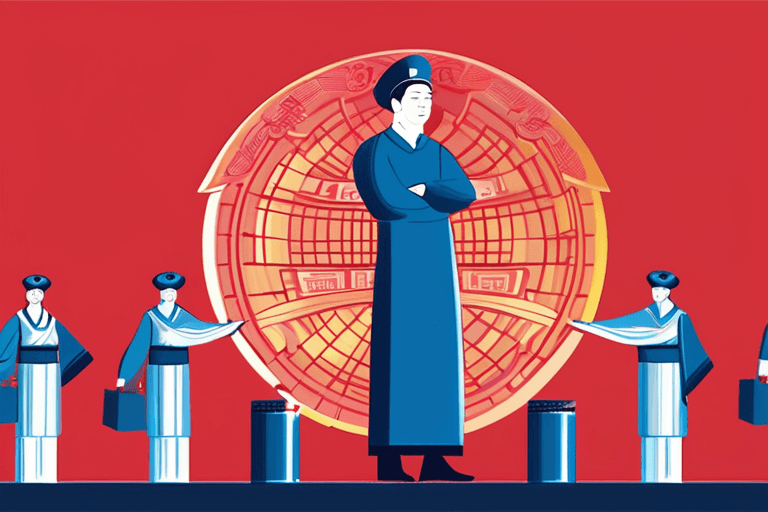
China significantly expanded its global influence in 2025 through the export of its cultural products, marking a shift in its approach to international power dynamics. The surge in popularity of Chinese movies, video games, and toys, like the blockbuster film "Nhe Zha 2" and the video game "Black Myth: Wukong," coupled with the widespread appeal of toys like Labubu, demonstrated the country's growing soft power, according to a report by Today, Explained.
This development occurred despite efforts by the United States, under President Donald Trump's administration, to exert economic pressure on China through tariffs and export restrictions. Don Weinland, a China business and finance editor for The Economist based in Shanghai, noted that these measures appeared to have had limited impact, as China simultaneously strengthened its economic position and cultural reach.
The rise of Chinese soft power reflects a broader trend of countries using cultural exports to enhance their international standing. Historically, the United States has been a dominant force in global entertainment and cultural trends, but China's increasing presence in these areas suggests a potential shift in the global cultural landscape. This expansion is not limited to entertainment; it also encompasses design, fashion, and other creative industries.
The success of Chinese cultural exports can be attributed to several factors, including increased investment in creative industries, a growing domestic market that fosters innovation, and a strategic focus on appealing to international audiences. The Chinese government has also played a role in promoting cultural exchange and supporting the development of export-oriented cultural products.
The implications of China's growing soft power extend beyond entertainment. As Chinese culture becomes more prevalent globally, it could influence perceptions of China and its role in the world. This, in turn, could impact international relations, trade negotiations, and geopolitical dynamics. The extent of this influence remains to be seen, but the trend suggests a more complex and multi-faceted global power structure in the years to come.

















Discussion
Join the conversation
Be the first to comment