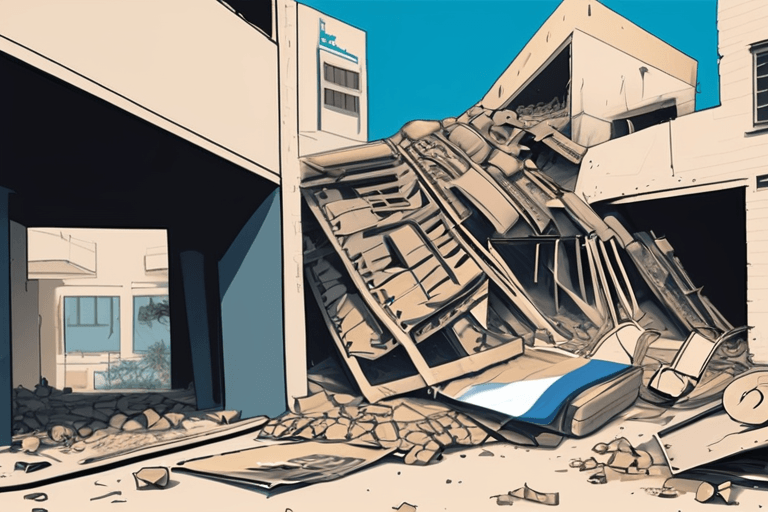
Bulldozers demolished the headquarters of the United Nations Relief and Works Agency for Palestine Refugees in the Near East (UNRWA) in occupied East Jerusalem on Tuesday, according to reports. The demolition was supervised by far-right Israeli minister Itamar Ben-Gvir, and occurred amid increasing Israeli restrictions on non-governmental organizations providing humanitarian aid to Palestinians.
The destruction of the UNRWA buildings raises concerns about the future of humanitarian operations in the region. UNRWA, established in 1949, provides essential services, including education, healthcare, and social support, to millions of Palestinian refugees across the Middle East. The agency has faced increasing scrutiny and funding cuts in recent years, particularly following allegations of employee involvement in the October 7th attacks.
The Israeli government has long accused UNRWA of bias against Israel and of perpetuating the Palestinian refugee problem. These accusations have intensified calls for the agency's closure and a transfer of its responsibilities to other organizations. Critics of this position argue that dismantling UNRWA would exacerbate the humanitarian crisis in the region and undermine the prospects for a peaceful resolution to the Israeli-Palestinian conflict.
The demolition took place in the context of escalating tensions in East Jerusalem and the West Bank. Recent months have seen a surge in violence, including clashes between Israeli forces and Palestinians, as well as increased settlement activity. The international community has repeatedly called on Israel to halt settlement expansion and to respect international law in the occupied territories.
The future of UNRWA's operations in East Jerusalem remains uncertain. The agency has condemned the demolition and vowed to continue providing assistance to Palestinian refugees. However, the Israeli government's actions suggest a determination to further restrict UNRWA's activities and to exert greater control over humanitarian aid to Palestinians. The long-term implications of these developments for the region's stability and the well-being of Palestinian refugees are significant.

















Discussion
Join the conversation
Be the first to comment