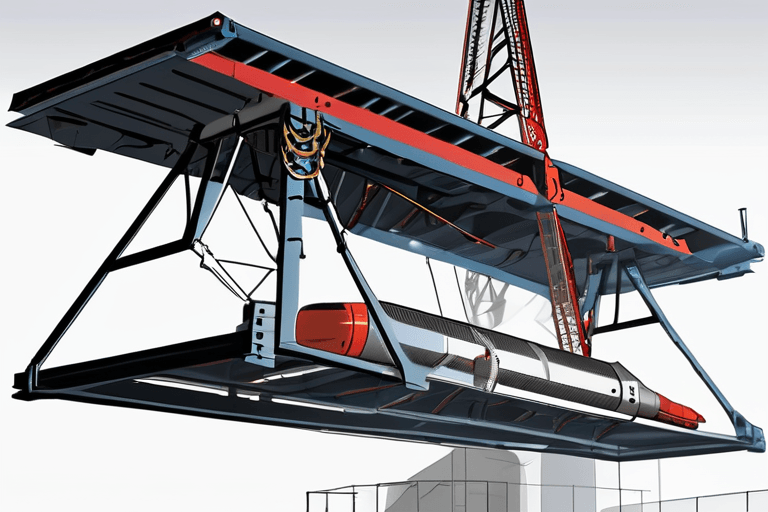
A hydraulic crane, a workhorse of SpaceX's Starbase facility in Texas, buckled under pressure last June, triggering an investigation that has now resulted in significant penalties for Elon Musk's spaceflight company. The incident, while seemingly isolated, casts a shadow on SpaceX's ambitious timeline for lunar missions and its rapid expansion plans.
The Occupational Safety and Health Administration (OSHA) has cited SpaceX for seven serious violations, six of which carry the maximum financial penalty, totaling $115,850. The core issue, according to OSHA, is a failure to properly inspect the crane after recent repairs. This lapse in protocol raises questions about safety oversight at a critical juncture for the company.
Starbase, located in Boca Chica, Texas, is the epicenter of SpaceX's Starship program. This ambitious project aims to develop a fully reusable transportation system designed to carry both crew and cargo to Earth orbit, the Moon, Mars, and beyond. The facility is a hive of activity, with engineers and technicians working around the clock to build, test, and launch these massive rockets. Cranes, like the one that failed, are indispensable for lifting and positioning heavy components during the construction and assembly phases.
The collapsed crane was a hydraulic crane, a type known for its power and precision in lifting heavy loads. These cranes use hydraulic fluid to power their movements, allowing for controlled and powerful lifting. Regular inspections are crucial to ensure the integrity of the hydraulic system, the structural components, and the safety mechanisms. A failure in any of these areas can lead to catastrophic consequences, as evidenced by the Starbase incident.
"Proper inspection of heavy machinery is not just a regulatory requirement; it's a fundamental aspect of ensuring worker safety and preventing accidents," explains Emily Carter, a safety engineer specializing in heavy equipment. "Hydraulic systems, in particular, require meticulous attention to detail. Leaks, worn hoses, and faulty valves can all contribute to a loss of lifting capacity and ultimately, a collapse."
The timing of the incident is particularly sensitive. SpaceX is under pressure to meet ambitious goals, including supporting NASA's Artemis program, which aims to return astronauts to the Moon. The company has secured clearance from the Federal Aviation Administration (FAA) for up to 25 Starship launches from Starbase this year. This rapid pace of development and operations necessitates a robust safety culture to prevent accidents and ensure the well-being of its workforce.
While it remains unclear if any workers were injured in the crane collapse, the incident serves as a stark reminder of the potential risks associated with spaceflight and the importance of prioritizing safety above all else. SpaceX has the right to contest the penalties, and the outcome of that process will be closely watched by the industry.
The OSHA investigation remains open, and its findings could have broader implications for SpaceX's operations and the regulatory oversight of the burgeoning private space industry. As companies like SpaceX push the boundaries of space exploration, ensuring a safe and responsible approach is paramount. The Starbase crane collapse serves as a cautionary tale, highlighting the need for vigilance and a commitment to safety at every stage of the process. The future of space exploration depends not only on technological innovation but also on a unwavering dedication to the well-being of the people who make it possible.


















Discussion
Join the conversation
Be the first to comment