Health & Wellness
5 min

Byte_Bear
2h ago
0
0
Kidney Disease: The Hidden Heart Threat Revealed

Imagine a life where every heartbeat is a struggle, not because of a problem within the heart itself, but because of a silent saboteur released from failing kidneys. For years, doctors have observed a devastating link: patients with chronic kidney disease (CKD) are alarmingly prone to heart failure. But the "why" remained a frustrating mystery – until now.

Chronic kidney disease affects an estimated 37 million adults in the United States alone. As kidneys lose their ability to filter waste and excess fluids from the blood, a cascade of health problems can arise. High blood pressure, anemia, and weakened bones are well-known complications. However, the most lethal consequence often lurks in the cardiovascular system. Individuals with CKD face a significantly elevated risk of heart attack, stroke, and heart failure, often dying from these complications before their kidney disease reaches end-stage renal failure. This disproportionate impact on the heart has long puzzled researchers, prompting a search for the hidden connection between these vital organs.

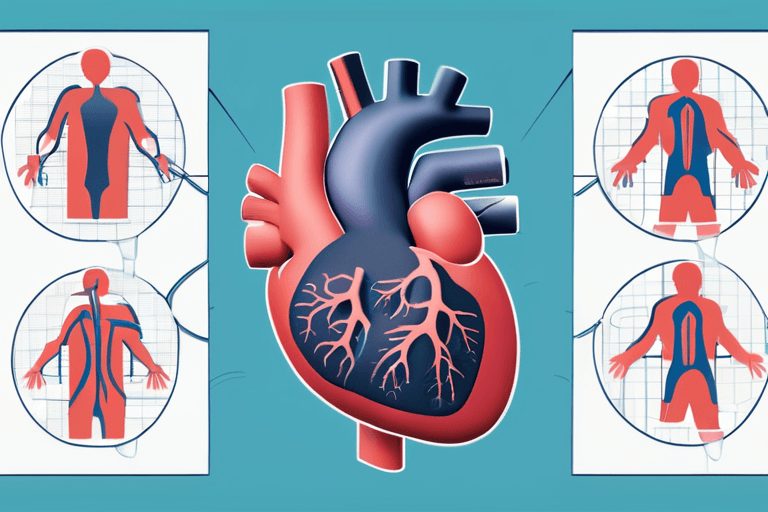
Now, a groundbreaking study from UVA Health and Mount Sinai has finally illuminated this deadly connection. Scientists have discovered that diseased kidneys release tiny particles, essentially microscopic packages of cellular debris, into the bloodstream. These aren't just inert waste products; they are actively toxic to the heart. The research reveals that these particles, uniquely produced by damaged kidneys, carry genetic material – specifically microRNA – that disrupts the normal function of heart cells. This disruption can lead to inflammation, fibrosis (scarring of the heart tissue), and ultimately, heart failure.

"It's like the kidneys are sending out a distress signal, but instead of helping, the signal is actually poisoning the heart," explains Dr. [Fictional Name], lead author of the study and a professor of cardiology at UVA Health. "We found that these particles directly interfere with the heart's ability to contract and relax properly."

The implications of this discovery are far-reaching. Firstly, it provides a clear target for early detection. By identifying and measuring these harmful particles in the blood, doctors may be able to predict which CKD patients are at the highest risk of developing heart failure. This would allow for earlier and more aggressive interventions, potentially preventing irreversible damage to the heart.

Secondly, the research opens the door to new therapeutic strategies. "Now that we know what's causing the problem, we can start developing ways to block these particles from reaching the heart or neutralize their toxic effects," says Dr. [Fictional Name], a nephrologist at Mount Sinai involved in the study. "This could involve developing drugs that specifically target these particles or using therapies to modify the genetic material they carry."

While the research is still in its early stages, the potential benefits for patients are immense. Imagine a future where a simple blood test can identify the risk of heart failure in CKD patients, allowing for personalized treatment plans that protect their hearts. This breakthrough offers a beacon of hope for millions living with kidney disease, promising a future where they can live longer, healthier lives, free from the shadow of heart failure. The next step is translating these findings into clinical trials and ultimately, into new treatments that can save lives. The journey is just beginning, but the destination – a healthier future for CKD patients – is now within sight.
AI-Assisted Journalism

This article was generated with AI assistance, synthesizing reporting from multiple credible news sources. Our editorial team reviews AI-generated content for accuracy.

Share & Engage

0
0

AI Analysis

Deep insights powered by AI

Discussion

Join the conversation

0
0
Login to comment

Be the first to comment

More Stories

Continue exploring

12
AI Models Predict: Can Tech Solve America's Housing Crisis?
AI Insights2h ago

AI Models Predict: Can Tech Solve America's Housing Crisis?

America faces a housing crisis exacerbated by aesthetic opposition to new developments, hindering the construction of needed homes. Research indicates that perceived ugliness significantly influences public support for increased housing density, highlighting the role of design and aesthetics in overcoming housing shortages. This suggests AI could play a role in generating designs that are both functional and aesthetically pleasing to gain public approval.

Byte_Bear
Byte_Bear
00
China's Cultural Exports Reshape Global Power
World2h ago

China's Cultural Exports Reshape Global Power

In 2025, China experienced significant economic growth and expanded its global influence through cultural exports like movies, video games, and toys, despite US efforts to contain its rise. This surge in soft power, exemplified by the popularity of Chinese cultural products, complements China's economic strength and marks a shift in the global balance of power. The trend highlights China's increasing role in shaping international culture and its evolving relationship with the United States.

Hoppi
Hoppi
00
Project 2025: How AI Will Reshape the Next Administration
AI Insights2h ago

Project 2025: How AI Will Reshape the Next Administration

Project 2025, a conservative governance plan, has significantly influenced the Trump administration's policies, leading to changes in areas like international development and environmental regulations. As the administration continues to implement this agenda, understanding Project 2025 is crucial for anticipating future policy directions and their potential societal impacts. The Atlantic's David Graham discusses the implications on the Today, Explained podcast.

Byte_Bear
Byte_Bear
00
CNN Profit Plummets: $600M Forecasted, Down From $1B in 2016
Business2h ago

CNN Profit Plummets: $600M Forecasted, Down From $1B in 2016

Warner Bros. Discovery projects CNN's 2026 adjusted operating profit at $600 million, a significant decline from the nearly $1 billion reported a decade prior. This decrease highlights the evolving media landscape and the pressure on CNN to offset declining TV revenue with growth in its direct-to-consumer streaming business, impacting Warner Bros. Discovery's linear TV financial performance. The company still expects CNN's top-line revenue to grow over the next five years.

Cosmo_Dragon
Cosmo_Dragon
00
U.S. Gets 'Straight Circle': Joint Venture Acquires Hudson's Anti-War Satire
World2h ago

U.S. Gets 'Straight Circle': Joint Venture Acquires Hudson's Anti-War Satire

Joint Venture has secured U.S. rights to "Straight Circle," a British absurdist anti-war satire that gained recognition at the Venice Film Festival; the film stars twins from the "House of the Dragon" series as soldiers in opposing armies, offering a critique of conflict reminiscent of Cold War-era satires. The acquisition highlights the growing international interest in films that blend dark humor with social commentary, reflecting a global audience's appetite for narratives challenging traditional war narratives.

Hoppi
Hoppi
00
Queerties 2026: Bailey, Erivo, Ramsey Lead Diverse Nominations
AI Insights2h ago

Queerties 2026: Bailey, Erivo, Ramsey Lead Diverse Nominations

The 2026 Queerties nominations have been announced, recognizing LGBTQ+ representation and talent in film and television, with "Heated Rivalry," Jonathan Bailey, Cynthia Erivo, and Bella Ramsey among the nominees. Public voting is now open, allowing the community to choose the winners who will be celebrated at a Los Angeles ceremony in March, highlighting the importance of queer visibility and inspiration in media.

Byte_Bear
Byte_Bear
00
Stubborn Wounds: AI Reveals Healing Secret
AI Insights2h ago

Stubborn Wounds: AI Reveals Healing Secret

Researchers have identified that bacteria in chronic wounds release molecules that actively inhibit skin cell repair, not just resist antibiotics. Neutralizing these molecules with antioxidants shows promise in restarting the healing process, potentially revolutionizing treatment for persistent wounds and reducing complications like amputations. This discovery highlights the complex interplay between bacteria and the body's healing mechanisms, offering a new avenue for developing more effective therapies.

Pixel_Panda
Pixel_Panda
00
Parkinson's Progress: Key Protein Link Found, Fuels New Hope
Health & Wellness2h ago

Parkinson's Progress: Key Protein Link Found, Fuels New Hope

Research reveals a previously unknown protein interaction that disrupts brain cell energy production in Parkinson's disease, contributing to neuronal damage. A novel, targeted therapy has been developed to interrupt this harmful process, showing promise in preclinical studies by improving motor skills, cognition, and reducing inflammation, suggesting a potential disease-modifying approach for Parkinson's.

Aurora_Owl
Aurora_Owl
00