The news of Nicolás Maduro's potential capture sparked intense reactions throughout Latin America. In Argentina, dormant high school group chats buzzed with the news. Colombians reportedly debated exit plans, while Ecuadorean schoolteachers paused lessons to discuss the U.S. raid. Even a Peruvian beauty queen weighed in on the matter.
Carlos Segura, a 36-year-old professor in Buenos Aires, expressed his support, stating, "I am happy because I saw the fall of a dictator and I am happy because my Venezuelan friends are happy."
The polls indicated that 74 percent of Peruvians and 63 percent of Chileans approved of the intervention. Majorities in Colombia, Brazil, Argentina, and even Panama, a nation with its own history of U.S. intervention, also showed support.
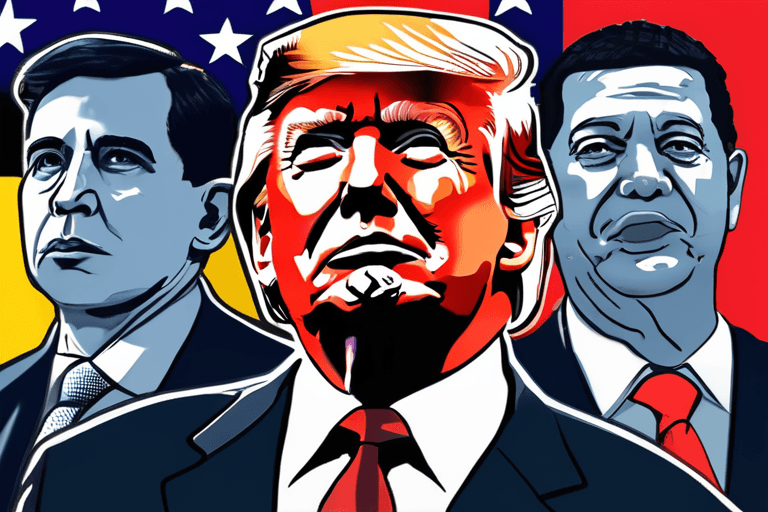
This widespread approval marks a notable shift, considering the long-standing anti-American sentiment stemming from Cold War-era meddling in Latin American affairs. While some denounced what they considered American imperialism in Venezuela, the prevailing sentiment leaned towards supporting President Trump's actions.
The situation in Venezuela remains fluid, and the long-term consequences of the intervention are yet to be seen. However, the initial response from Latin America suggests a complex and evolving relationship with the United States, driven by a desire for stability and a rejection of authoritarian rule.
















Discussion
Join the conversation
Be the first to comment