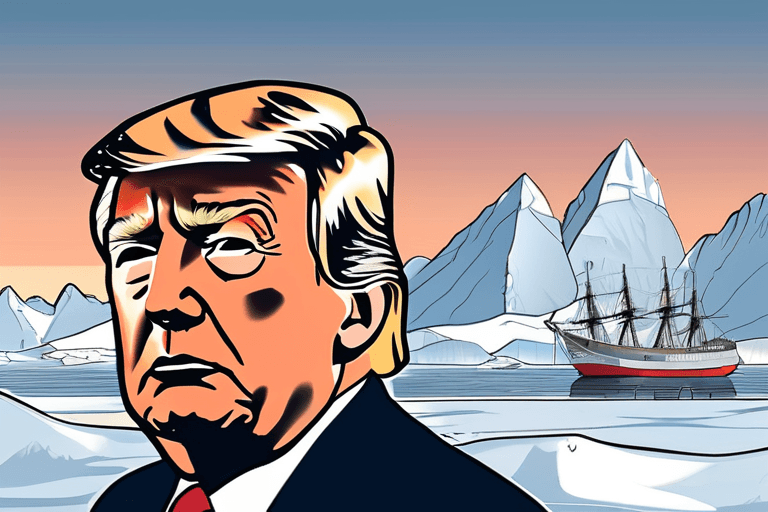
Tensions surrounding Greenland dominated discussions at this week's World Economic Forum in Davos, Switzerland, after President Donald Trump demanded the United States take control of the Danish territory. The demand triggered a diplomatic crisis, with Trump threatening to impose 10 percent tariffs on goods from eight European countries, including Denmark, unless a deal was reached to sell Greenland to the U.S. He also pointedly refused to rule out military force.
The crisis unfolded rapidly, overshadowing other agenda items at the Davos forum, which brings together global leaders to discuss economic and social issues. The European countries targeted by the proposed tariffs viewed Trump's demands as an affront to their sovereignty and a destabilizing force in transatlantic relations.
The Kingdom of Denmark, which includes Greenland as an autonomous territory, has governed the island since 1814. Greenland possesses significant strategic importance due to its location between North America and Europe, and its vast natural resources, including minerals and potential oil reserves, have long attracted international interest. The island's indigenous Inuit population, who have inhabited Greenland for centuries, also hold a unique cultural and political position within the territory.
The prospect of the U.S. acquiring Greenland has been floated before, most notably in 1946 when President Harry Truman offered Denmark $100 million for the island. Denmark rejected the offer.
The current standoff highlights the increasingly strained relationship between the United States and Europe under the Trump administration, particularly regarding trade and security matters. European leaders have expressed concerns about the administration's "America First" policy and its impact on international cooperation.
While the immediate threat of tariffs and potential military action appears to have subsided, the long-term implications for transatlantic relations remain uncertain. Analysts suggest that the crisis has damaged trust between the U.S. and its European allies and could lead to a reassessment of security and economic partnerships. The situation remains fluid, and future negotiations regarding Greenland's status and the broader U.S.-European relationship are anticipated.


















Discussion
Join the conversation
Be the first to comment