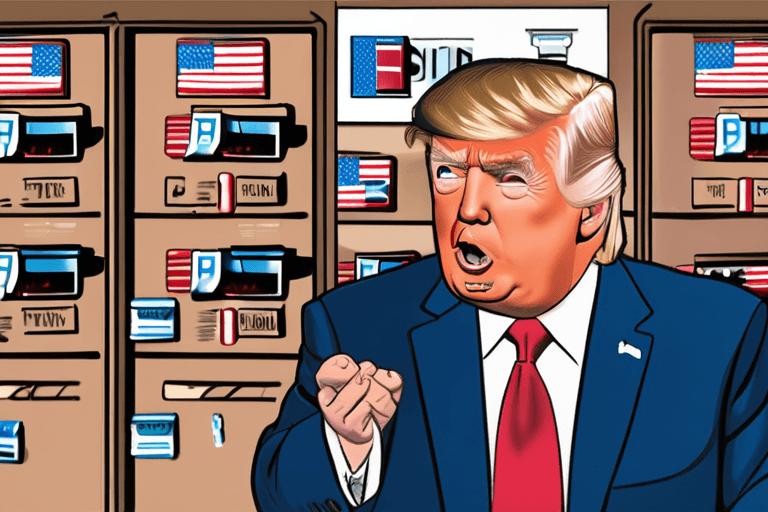
JPMorgan Chase CEO Jamie Dimon warned that a proposal by former U.S. President Donald Trump to cap credit card interest rates would be "an economic disaster," potentially restricting credit access for a significant portion of the American population. Dimon, speaking at the World Economic Forum in Davos, Switzerland, stated that limiting interest rates to 10%, as Trump suggested on his Truth Social platform earlier this month, would disproportionately impact restaurants, retailers, travel firms, and schools, in addition to cutting off credit for approximately 80% of Americans.
Dimon emphasized that such a cap would drastically reduce the availability of credit, which many Americans rely on as a financial safety net. He added that while JPMorgan Chase would survive such a policy, the broader economic consequences would be severe. Trump's proposal, which lacks specific details on implementation or legal enforceability, echoes similar calls from U.S. Senators Bernie Sanders and Elizabeth Warren, who have long advocated for interest rate caps.
The debate over credit card interest rates is not unique to the United States. Many countries grapple with balancing consumer protection and the financial viability of lending institutions. In the European Union, for example, some member states have implemented regulations on credit card fees and interest rates to protect consumers from predatory lending practices. Similarly, various nations in Latin America and Asia have explored or implemented measures to regulate the credit card industry.
Economists hold differing views on the impact of interest rate caps. Proponents argue that caps protect vulnerable consumers from excessive debt and promote financial stability. Opponents contend that they can reduce credit availability, particularly for lower-income individuals, and stifle economic growth. The potential impact of Trump's proposal on the U.S. economy remains uncertain, pending further details and potential legal challenges. As of now, it is unclear whether the proposal will be pursued further.

















Discussion
Join the conversation
Be the first to comment