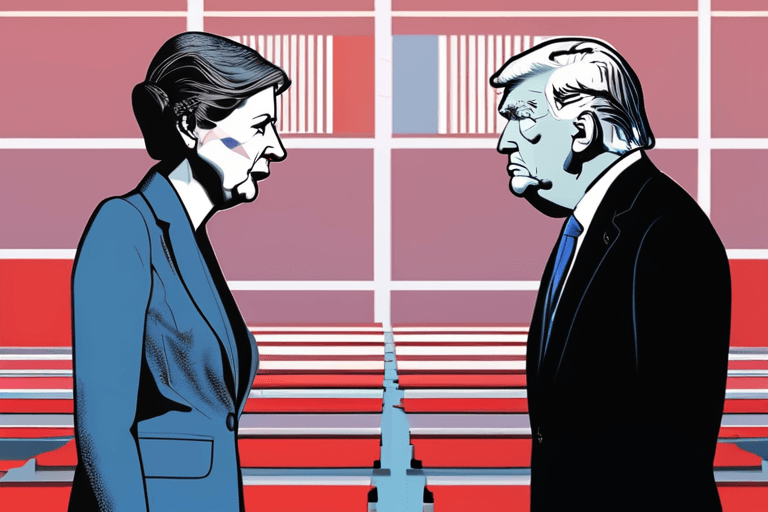
Some Britons are questioning the future of the "special relationship" between the United States and the United Kingdom, even considering the possibility of severing security and intelligence ties. The debate comes at a time when the alliance, long considered a cornerstone of international diplomacy, faces increasing scrutiny.
The discussion gained traction following a speech by U.S. House Speaker Mike Johnson to British lawmakers, commemorating 250 years since American independence. Johnson remarked on the shared history between the two nations, stating, "As proud Americans, it is as though we have returned to the spiritual birthplace of our own nation." However, some observers suggest the relationship is becoming increasingly strained.
The term "special relationship" has been used for decades to describe the close political, diplomatic, cultural, economic, and military ties between the U.S. and the U.K. It is rooted in shared values, historical alliances, and mutual interests. This relationship has manifested in numerous collaborations, including intelligence sharing, joint military operations, and close diplomatic coordination on global issues.
However, recent political developments and differing priorities have led some in Britain to question the long-term viability of the alliance. Concerns include the direction of U.S. foreign policy, trade disputes, and differing approaches to international agreements. The potential for divergence raises questions about the extent to which the two countries' interests continue to align.
The debate in Britain reflects a broader discussion about the country's role in the world post-Brexit and its relationship with key allies. As the global landscape evolves, the U.K. is reassessing its strategic partnerships and considering alternative alliances. The future of the "special relationship" will likely depend on the ability of both nations to navigate these challenges and reaffirm their shared interests.


















Discussion
Join the conversation
Be the first to comment