A publisher's correction has been issued for an article in Nature regarding the role of oestradiol in inhibiting ferroptosis and acute kidney injury, initially published online August 13, 2025. The correction addresses errors introduced during the typesetting process that were not present in the peer-reviewed version of the manuscript or the original data.
The errors included incorrect chemical structures in Figure 2e and 2f, where the structure for 4OH-E2 was mistakenly used instead of 17β-estradiol in Figure 2e, and a missing "O" in the 2OH-E2 structure in Figure 2f. Discrepancies were also found in the sample sizes reported in Figure 2o, 2p, and 2q for Sham and IRI OVX mice, and incorrect references were made to Extended Data figures on pages 1011 and 1012. According to the publisher's note, none of the errors affect the scientific conclusions of the study.
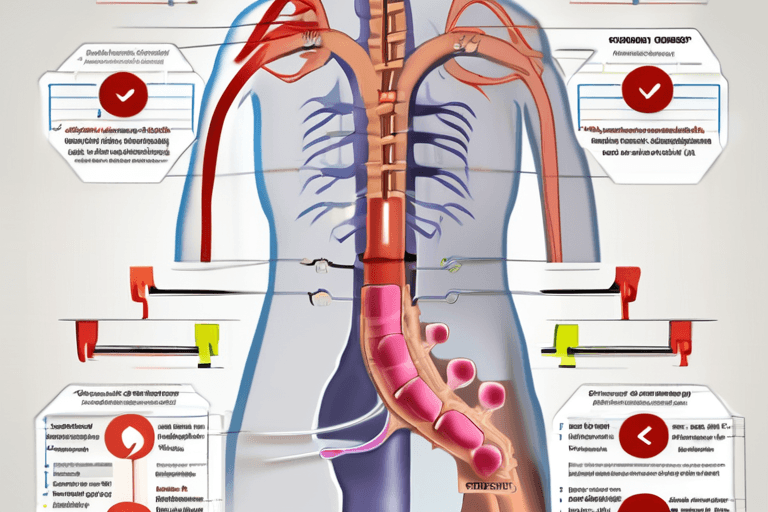
The original research, before the correction, explored the multiple functions of oestradiol, a primary female sex hormone, in mitigating ferroptosis, a form of cell death driven by iron and lipid peroxidation, and its subsequent impact on acute kidney injury. The study investigated the mechanisms by which oestradiol and its metabolites influence these processes, potentially opening new avenues for therapeutic interventions.
Ferroptosis is increasingly recognized as a key factor in various diseases, including kidney injury, neurodegenerative disorders, and cancer. Understanding the intricate pathways involved in regulating ferroptosis could lead to the development of targeted therapies to prevent or treat these conditions. The Nature article aimed to provide a deeper understanding of oestradiol's role in these pathways, specifically in the context of kidney health.
The corrected article is available on the Nature website with a clear indication of the changes made. Researchers and clinicians are advised to refer to the corrected version for accurate information. The publisher stated that they are taking steps to prevent similar errors in future publications.
















Discussion
Join the conversation
Be the first to comment