Ubisoft took a major hit this week, announcing the cancellation of six unreleased titles, including a remake of the highly anticipated "Prince of Persia: The Sands of Time," and the closure of several studios. The move, revealed in a press release Thursday, sent shockwaves through the gaming community, reminiscent of a star quarterback getting sacked on fourth down with the game on the line.
The decision comes as Ubisoft aims to navigate a challenging economic landscape and refocus its resources on its biggest franchises. Think of it as a coach benching underperforming players to give the rising stars a chance to shine. The company cited "increasingly competitive market conditions" and a need to "streamline operations" as key factors behind the cancellations. This is a tough call, similar to a coach cutting beloved veterans, but necessary for the long-term health of the team.
"We are evolving our organization to further increase efficiency and overall agility," said Ubisoft CEO Yves Guillemot in the press release. "These changes will allow us to be more focused on our core strengths and deliver even better games to our players."
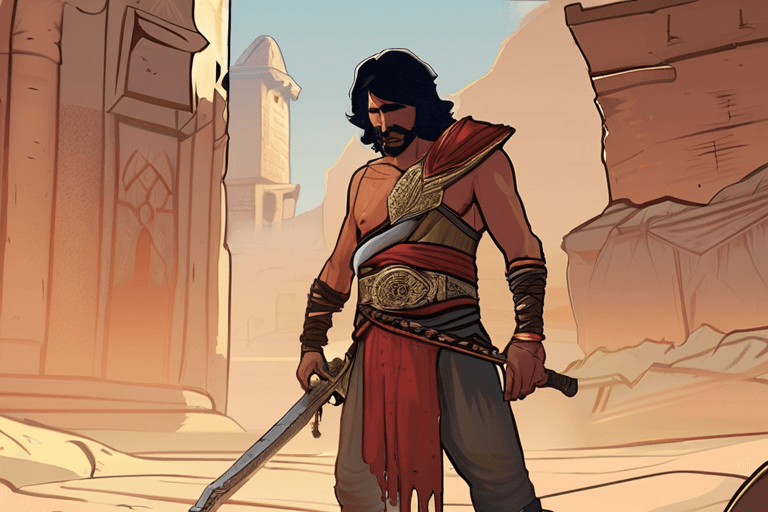
The "Prince of Persia: The Sands of Time" remake, initially announced in 2020, was perhaps the most high-profile casualty. Its cancellation marks a significant setback for fans eager to relive the magic of the classic 2003 title. This is like a star player getting injured right before the playoffs – a devastating blow to morale. The game had already faced numerous delays and a change of development teams, struggling to find its footing like a rookie quarterback under pressure.
The other cancelled titles remain largely shrouded in mystery, leaving fans to speculate about what could have been. This is like a promising draft pick never getting a chance to prove themselves on the field.
Ubisoft's stock price took a noticeable dip following the announcement, reflecting investor concerns about the company's future prospects. This is the equivalent of the team's record taking a hit after a series of losses.
Industry analysts suggest that Ubisoft's struggles reflect a broader trend in the gaming industry, with rising development costs and increasing competition putting pressure on even the largest publishers. It's a league-wide challenge, like teams struggling to adapt to a new offensive scheme.
The closures of the affected studios, while not explicitly detailed in terms of location or size, represent a significant restructuring effort. This is akin to a team trading away key players to rebuild for the future.
Looking ahead, Ubisoft is banking on the success of upcoming releases such as "Assassin's Creed Mirage" and "Avatar: Frontiers of Pandora" to turn the tide. These games are their star players, and the company is counting on them to deliver a winning season. The pressure is on, and only time will tell if Ubisoft can execute its new strategy and reclaim its position as a top contender in the gaming world.






















Discussion
Join the conversation
Be the first to comment