U.S. shale producers are expressing increasing discontent with President Trump's focus on international energy opportunities, particularly in Venezuela and Greenland, as their domestic profitability faces headwinds.
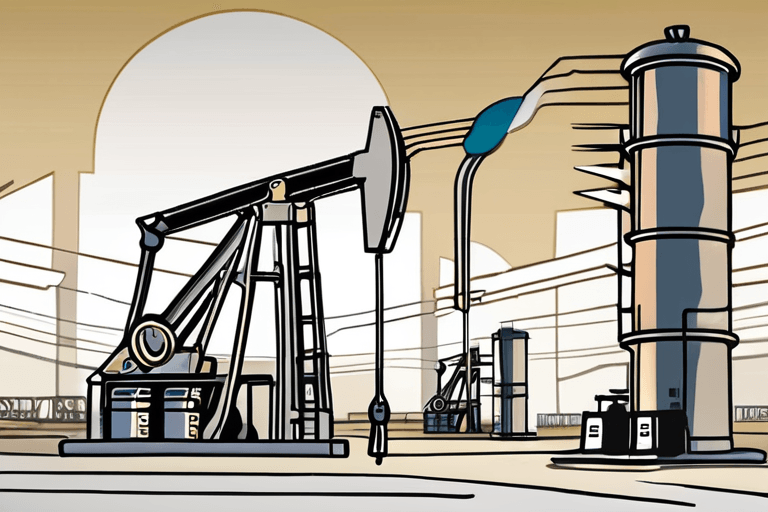
The U.S. benchmark for crude oil lingered just below $60 per barrel, a level at which many American oil producers struggle to generate profits and justify new drilling ventures. As of January 16th, the number of active oil drilling rigs in the U.S. had plummeted by approximately 15% year-over-year, signaling a slowdown in domestic drilling activity.
Trump's pursuit of lower gasoline prices, largely achieved through increased OPEC output, has inadvertently created a challenging environment for U.S. oil producers. While the U.S. continues to produce near-record levels of oil, the resulting lower prices are squeezing profit margins for domestic companies. The situation highlights a tension between the president's desire for affordable fuel for American consumers and the economic health of the domestic oil industry.
The U.S. shale industry has experienced a boom in recent years, transforming the country into a major oil producer and exporter. However, the industry's reliance on hydraulic fracturing, or fracking, makes it sensitive to fluctuations in oil prices. When prices fall below a certain threshold, the economics of fracking become less attractive, leading to reduced drilling activity and potential financial strain for companies.
Looking ahead, the U.S. oil industry faces a complex landscape. Global oil demand growth is slowing, and competition from other producers, including OPEC and Russia, remains intense. The industry's future profitability will depend on factors such as technological innovation, cost reduction, and the ability to adapt to evolving global energy dynamics. The extent to which the U.S. government prioritizes domestic oil production versus broader geopolitical and economic considerations will also play a crucial role.



















Discussion
Join the conversation
Be the first to comment