Born shared his story on NPR's "Morning Edition," explaining that seeing the sign for the first time was a pivotal moment in his life. He described feeling an immediate sense of connection and understanding, a stark contrast to the alienation he had experienced elsewhere. "It was like the sign was saying, 'You're home,'" Born said.
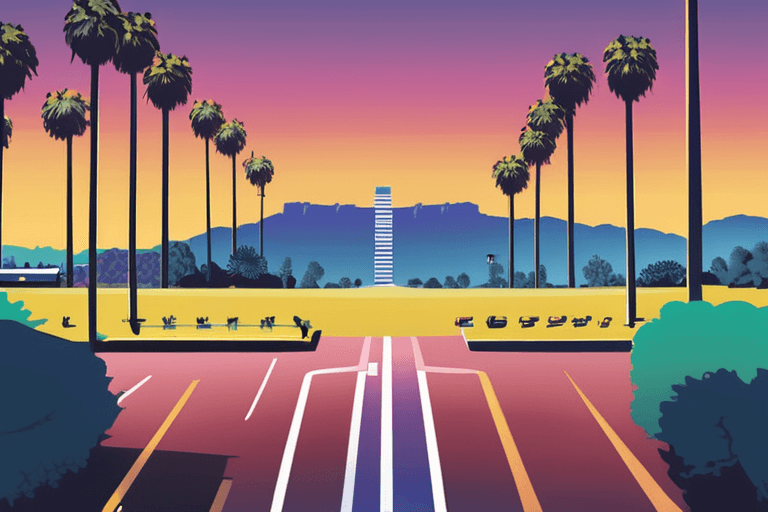
The West Hollywood sign, erected in the late 1980s, has become more than just a marker of city limits. It's a widely recognized emblem of LGBTQ+ culture and a symbol of inclusivity, according to urban studies experts. Its prominent location on major thoroughfares ensures high visibility, reinforcing West Hollywood's image as a welcoming destination.
"The sign's cultural impact is undeniable," says Dr. Emily Carter, a professor of urban planning at UCLA. "It represents a city that actively embraces diversity and provides a safe haven for individuals who may not feel accepted in other communities. This resonates deeply with audiences, particularly within the LGBTQ+ community."
Industry analysts note that West Hollywood's deliberate cultivation of this image has been a significant factor in its economic success, attracting tourists and residents alike. The city's vibrant nightlife, thriving arts scene, and progressive policies all contribute to its appeal.
Born's experience highlights the power of symbols in shaping personal identity and fostering a sense of belonging. His story underscores the importance of creating inclusive spaces where individuals feel safe, valued, and accepted for who they are. The West Hollywood sign, in this context, serves as a powerful reminder of the ongoing need for such spaces and the positive impact they can have on people's lives.




















Discussion
Join the conversation
Be the first to comment