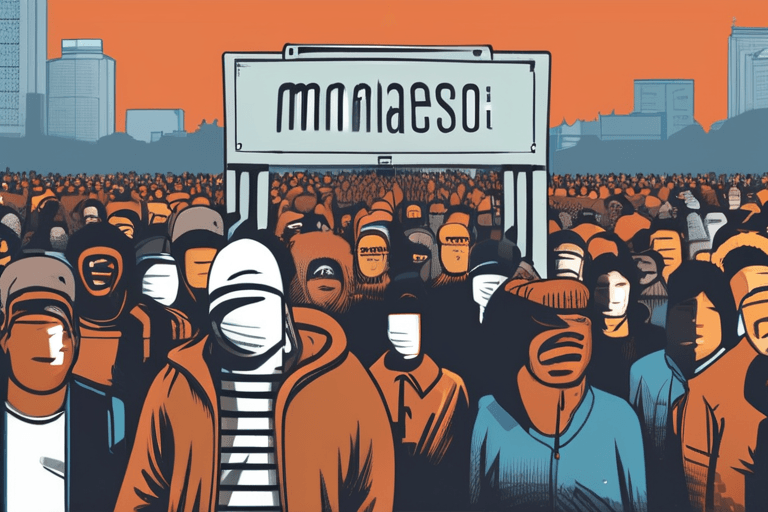
Large crowds gathered in downtown Minneapolis Friday afternoon to protest the federal government's expanded immigration enforcement operations, despite subzero temperatures. Hundreds of Minnesota businesses closed as part of a statewide "ICE Out" protest and strike against the increased Immigration and Customs Enforcement (ICE) activity in the state.
The march and rally protested what organizers described as the largest and most aggressive immigration enforcement operation brought by the federal government to date. Restaurants, museums, bookstores, and coffee shops across Minnesota participated in the economic blackout, which was organized by labor unions, faith leaders, and community activists. The initiative, called "ICE Out of Minnesota: A Day of Truth and Freedom," encouraged residents to stay home from work and school and to refrain from shopping or dining out.
Organizers aimed to disrupt the state's economy to demonstrate the importance of immigrants to Minnesota's workforce and community. "We wanted to show the state what it looks like when immigrant labor and immigrant spending power is removed," said Maria Sanchez, a spokesperson for the coalition behind the protest. "We are a vital part of this state, and our absence should be felt."
The "ICE Out" protest comes amid growing national debate over immigration policy and enforcement. The federal government has defended its increased enforcement efforts as necessary for national security and border control. Critics, however, argue that the policies are discriminatory and harmful to families and communities.
The economic impact of the one-day strike is still being assessed, but organizers claim significant participation from businesses and individuals across the state. Law enforcement officials reported no major incidents related to the protests, although several arrests were made for minor infractions. The long-term effects of the protest on immigration policy and enforcement in Minnesota remain to be seen. The coalition plans to continue organizing and advocating for more inclusive and humane immigration policies in the state.



















Discussion
Join the conversation
Be the first to comment