Jared Kushner's recently unveiled vision for Gaza, featuring futuristic skyscrapers and advanced industrial zones, has drawn criticism from Palestinians who fear it will erase what remains of their homes. The plan, presented as a potential future for the region, has been met with skepticism and concern by many Palestinians who believe it disregards their current reality and the ongoing conflict.
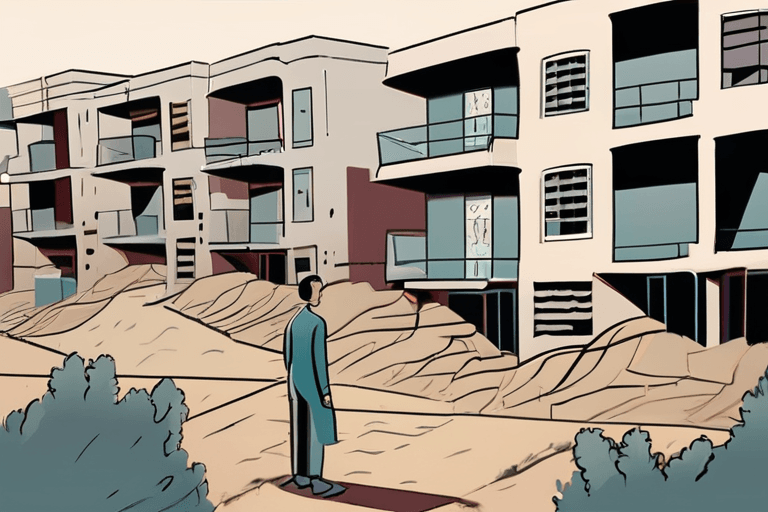
Palestinians expressed concerns that Kushner's vision overlooks the immediate needs and the extensive damage already inflicted on Gaza. They argue that focusing on futuristic development while neglecting the current humanitarian crisis and the rebuilding of existing homes is insensitive and impractical. "It feels like they are trying to erase us, to replace our memories with these shiny new buildings," one resident of Gaza told NPR.
The proposed development plan comes amid ongoing discussions about the future of Gaza following recent conflicts. The area has suffered significant destruction, leaving many residents displaced and in need of basic necessities. Critics argue that any development plan must prioritize the needs of the people currently living in Gaza and address the root causes of the conflict.
The unveiling of Kushner's vision has sparked debate about the role of external actors in shaping the future of Gaza. Some argue that international investment and innovative solutions are necessary to rebuild the region and create economic opportunities. Others maintain that any development plan must be driven by the needs and aspirations of the Palestinian people themselves.
The current status of Kushner's vision remains uncertain. It is unclear whether the plan will gain traction or receive the necessary support for implementation. The next steps will likely involve further discussions with stakeholders, including Palestinian representatives, international organizations, and potential investors. The success of any future development in Gaza will depend on addressing the immediate needs of the population and ensuring that their voices are heard in the planning process.

















Discussion
Join the conversation
Be the first to comment