Minneapolis has become a focal point of escalating tensions surrounding U.S. immigration policies, marked by protests, legal challenges, and accusations of government overreach. Recent events include the arrest of clergy during demonstrations against increased immigration enforcement, a federal judge's ruling against ICE warrantless raids, and controversy surrounding Target's response to immigration enforcement actions.
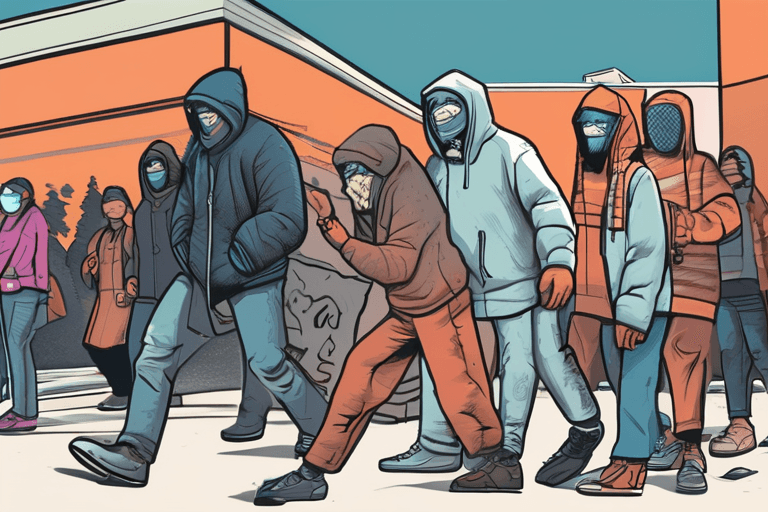
Approximately 100 clergy members were arrested in Minneapolis during a protest against increased immigration enforcement, according to multiple sources including Fortune. Thousands of demonstrators rallied in the city, braving subzero temperatures to express their opposition to stricter immigration measures. The protests, part of a larger movement involving labor unions and progressive groups, reflect a broader global debate on immigration and human rights. The demonstrations also highlighted the intersection of faith-based activism and political dissent.
Adding to the controversy, a U.S. District Court judge ruled that ICE agents violated the Fourth Amendment by forcibly entering a Minnesota home without a judicial warrant, contradicting a secret ICE memo, Wired reported. The ruling underscores the tension between ICE's internal policies and constitutional rights, raising concerns about due process and the scope of executive power in immigration enforcement. This decision highlights the ongoing debate about the extent of ICE's authority and raises concerns about potential overreach, emphasizing the need for judicial oversight to protect individual rights.
Target is facing renewed criticism in Minnesota due to ICE raids that detained employees, sparking protests and boycotts, Fortune reported. This backlash follows previous controversy over the company's rollback of DEI initiatives after initial support following George Floyd's murder. The situation highlights the complex interplay between corporate social responsibility, immigration enforcement, and consumer activism, raising questions about the evolving role of businesses in addressing social and political issues.
The Department of Homeland Security (DHS) has ceased its efforts to unmask anonymous social media accounts monitoring ICE activity, following legal challenges asserting First Amendment rights, according to Ars Technica. This case highlights the ongoing debate surrounding government surveillance powers, online anonymity, and the balance between national security concerns and freedom of speech in the digital age.
Meanwhile, a Minnesota activist is accusing the White House of posting a doctored image of her arrest at an anti-ICE protest, sparking controversy and accusations of manipulation, Fortune reported. This accusation raises questions about government transparency and the power of citizen journalism in the age of social media.
In Atlanta, unrelated to the Minnesota immigration issues, nonprofits Partners for HOME and SafeHouse Outreach are facing a lawsuit after a homeless man died when a bulldozer clearing an encampment crushed his tent, according to multiple sources including Fortune. The suit alleges negligence for failing to check the tent before the sweep, impacting the organizations' reputations and potentially their funding. This follows a previous lawsuit against the city of Atlanta filed in July by the family of the deceased, highlighting ongoing concerns about homeless outreach protocols.
In other international news, Spanish prosecutors have dismissed a sexual assault and human trafficking complaint against Julio Iglesias due to lack of jurisdiction, as the alleged offenses occurred outside of Spain, The Guardian reported. The accusations, brought by two former employees, detailed instances of inappropriate behavior and harassment, highlighting the complexities of international law in addressing such claims.
Also, former Canadian Olympian Ryan Wedding, accused of heading a major international drug trafficking network and wanted for murder, has been apprehended in Mexico after an extensive multi-national search, according to BBC World. Wedding, who allegedly moved tons of cocaine across borders with the protection of the Sinaloa cartel, faces extradition to the U.S., highlighting collaborative efforts between law enforcement agencies in North America to combat transnational organized crime.





















Discussion
Join the conversation
Be the first to comment