AI Startup Theorem Secures $6 Million to Combat AI-Generated Software Bugs
San Francisco-based startup Theorem raised $6 million in seed funding to develop automated tools that verify the correctness of AI-generated software, the company announced Tuesday, January 27, 2026. The investment round was led by Khosla Ventures, with participation from Y Combinator, e14, SAIF, Halcyon, and angel investors including Blake Borgesson, co-founder of Recursion Pharmaceuticals, and Arthur Breitman, co-founder of blockchain platform Tezos, according to VentureBeat.
Theorem emerged from Y Combinator's Spring 2025 batch. The company is betting that as artificial intelligence reshapes software development, the industry's next big bottleneck will be trusting the code produced by AI. The funding will be used to build tools that aim to stop AI-written bugs before they are shipped.
The investment comes at a time when AI coding assistants from companies like GitHub are becoming increasingly prevalent. Theorem aims to address the potential risks associated with relying on AI-generated code.
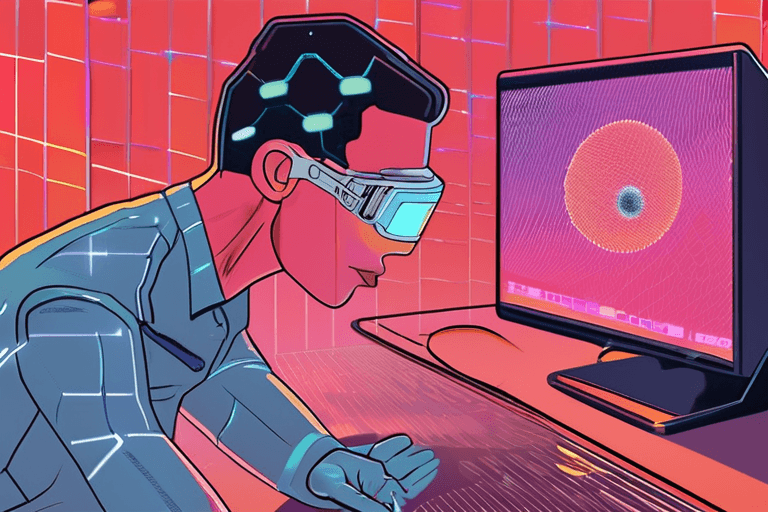
In related news, the rapid advancement of AI is impacting various sectors, including data visualization. According to Avalon Holographics, humans need to remain in the loop, interacting with data and identifying gaps between simulation and reality as AI systems become more powerful. Spatial computing is increasingly shared between humans and AI, requiring a focus on how humans interact with 3D data to maximize the benefits of AI, VentureBeat reported.
Meanwhile, concerns about data privacy and reliance on non-EU services continue to be relevant for website operators. Lightwaves.io offers a free scanner to analyze websites' dependence on services like Google Fonts, Analytics, and CDNs, providing an "EU Independence Audit," according to Hacker News. The audit checks hosting location, fonts, analytics, CDN, video embeds, chat tools, social widgets, and maps. The service highlights the risk of the EU-US Data Privacy Framework being invalidated, similar to previous agreements like Safe Harbor and Privacy Shield. Websites achieving a score of 100 on the audit are considered "future-proof."



















Discussion
Join the conversation
Be the first to comment