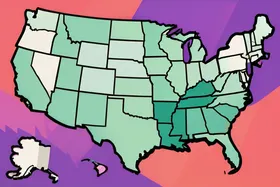
A potential bomb cyclone is brewing off the East Coast, threatening to bring intense winter weather conditions to parts of the region, according to forecasts. The storm is expected to form off the coast of the Carolinas on Saturday and could rapidly intensify, causing a sudden pressure drop that leads to blizzards, strong winds, and freezing temperatures, Time reported.
The impending storm follows a brutal winter storm that swept across the U.S. over the weekend, leaving more than a million people without power and causing dozens of deaths, according to Time. While the coming storm is not expected to be as widespread or intense as the previous one, its potential impact remains uncertain. "Where it will hit, and what kind of weather will ensue, is not yet clear: It may bring snow to large" areas, Time noted.
In other news, China approved imports of Nvidia's H200 artificial intelligence chips for three of its largest technology companies, Reuters reported. ByteDance, Alibaba, and Tencent received approval to purchase more than 400,000 H200 chips in total. This marks a shift in Beijing's stance after weeks of holding up shipments despite U.S. export clearance. The move follows Beijing's temporary halt to H200 shipments earlier this month after Washington cleared exports on January 13, according to Reuters. Chinese customs authorities had previously told agents that the H200 chips were not permitted to enter China, even as Chinese technology companies placed orders.
Meanwhile, Meta has begun blocking its users from sharing links to ICE List, a website that compiles the names of Department of Homeland Security employees, Ars Technica reported. Dominick Skinner, the creator of ICE List, told WIRED that links to the website had been shared without issue on Meta's platforms for more than six months. "I think it's no surprise that a company run by a man who sat behind Trump at his inauguration, and donated to the destruction of the White House, has taken a stance that helps ICE agents retain anonymity," Skinner said, according to Ars Technica.
The increasing ability of AI chatbots and agents to remember user preferences is raising privacy concerns, according to MIT Technology Review. Google recently announced Personal Intelligence, a new way for people to interact with the company's Gemini chatbot that draws on their Gmail, photos, search, and YouTube histories to make Gemini more personal, proactive, and powerful. Similar moves have been made by OpenAI, Anthropic, and Meta to add new ways for their AI products to remember and draw from people's personal details and preferences. "While these features have potential advantages, we need to do more to prepare for the new risks they could introduce into these complex technologies," MIT Technology Review stated.
Time also reported on the U.S.-China AI race, highlighting a hypothetical scenario in 2025 where a Chinese firm, DeepSeek, released an AI model called R1, which was considered a "Sputnik moment" for the country's AI industry. According to Time, then-President Trump announced his administration's AI action plan, titled "Winning the Race," stating, "Whether we like it or not, we're suddenly engaged in a fast-paced competition to build and define this groundbreaking technology that will determine so much about the future of civilization." AI policy researcher Lennart Heim noted that there are many interpretations of what AI companies and their governments are racing towards, including deploying AI systems in the economy, building robots, and creating new technologies.

















Discussion
Join the conversation
Be the first to comment