Global Anxieties Rise Amidst Geopolitical Tensions, Technological Advancements, and Existential Threats
On January 28, 2026, a confluence of global events painted a picture of a world grappling with geopolitical tensions, rapid technological advancements, and growing anxieties about existential threats. News sources highlighted a range of developments, from military escalations and natural disasters to scientific breakthroughs and ethical dilemmas, all contributing to a sense of global unease.
The Bulletin of the Atomic Scientists, on Tuesday, unveiled their annual assessment of global threats, a stark reminder of the potential for catastrophic events. Bryan Walsh, senior editorial director at Vox, noted that "it does seem lately as if everyone wants to warn the world might be ending," reflecting a widespread concern about the future.
Geopolitical tensions were a significant factor, with reports of a potential military escalation involving Iran following threats from President Trump and the deployment of a naval fleet (Vox). Simultaneously, the United States was reassessing its NATO obligations due to finite resources and global defense needs, according to Secretary of State Rubio (NPR News).
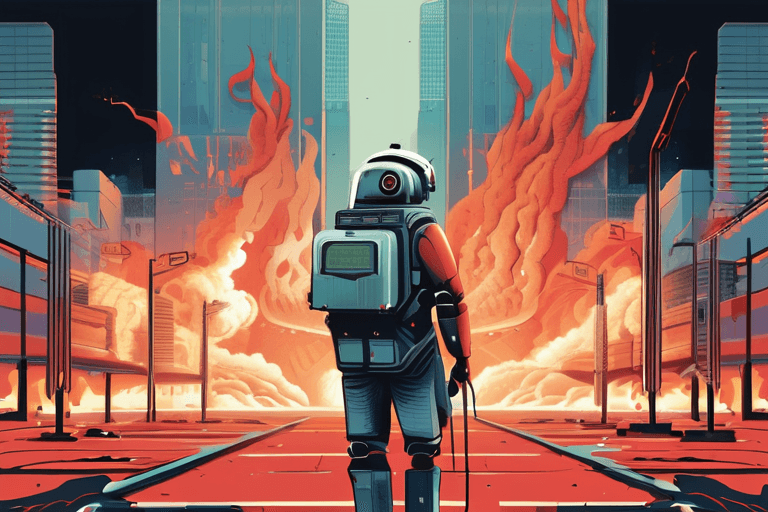
Adding to the global challenges, Euronews reported on a series of significant events on January 28th, 2026, including a major fire at a hotel in Courchevel, Storm Kristin causing fatalities and widespread damage in Portugal, and Russian drone strikes damaging homes in Odesa.
Amidst these challenges, advancements in science and technology continued. Time magazine highlighted scientific breakthroughs in malaria treatment and solar system dynamics. However, these advancements were accompanied by concerns, including the emerging threat of AI-powered cyberattacks exploiting vulnerabilities in systems like Anthropic's Claude (Time). China's advancements in AI were also noted as a significant development (Vox).
Ethical dilemmas in technology were also a key concern, as highlighted by NPR News. The rapid development of AI raised questions about its impact on society and the potential for misuse. Mark Cuban advised prioritizing real-world experiences over AI, reflecting a growing debate about the role of technology in human life (Time).
The global landscape also included political and social unrest in Australia (Vox), visa curb protests at EU borders (Euronews), and the French government's decision to replace US-based communication platforms with a domestic alternative (Euronews). Concerns were also raised about unexplained CDC database freezes (Time).
The diverse range of events, from natural disasters and geopolitical tensions to technological advancements and ethical dilemmas, contributed to a sense of global anxiety and uncertainty. As Bryan Walsh noted, the Doomsday Clock is "keeping time for a world that no longer exists," suggesting a need for new approaches to address the complex challenges facing humanity.















Discussion
Join the conversation
Be the first to comment