Doomsday Clock Ticks Closer Amidst Global Tensions, AI Threats, and Political Unrest
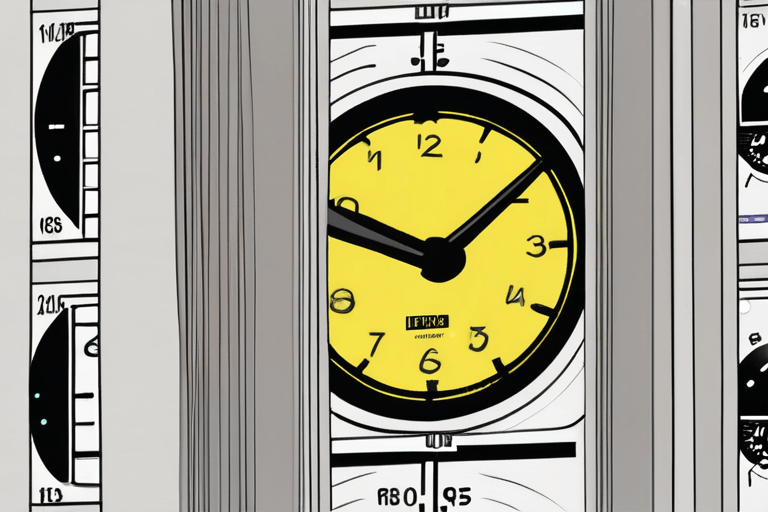
The Bulletin of the Atomic Scientists' annual Doomsday Clock edged closer to midnight, reflecting a world grappling with escalating geopolitical tensions, rapid technological advancements, and growing political unrest, according to multiple news sources. The symbolic clock, representing the threat of global catastrophe, serves as a stark reminder of the challenges facing humanity.
On January 28, 2026, global events underscored the anxieties reflected in the Doomsday Clock. Geopolitical tensions involving the U.S., China, and Iran continued to escalate, while domestic unrest flared in Australia and concerns mounted over U.S. immigration policies, according to Vox. Natural disasters, including a major fire in Courchevel and storm damage in Portugal, added to the sense of global instability. Russian drone strikes targeted Odesa, while an EU-India trade deal and France's decision to replace U.S. communication platforms highlighted shifting alliances and geopolitical maneuvering.
The rise of artificial intelligence and its potential misuse emerged as a significant concern. Multiple news sources, including MIT Technology Review, highlighted the growing threat of AI-driven cyberattacks. Hackers are increasingly leveraging techniques like prompt injection to manipulate AI models, such as Anthropic's Claude, into performing malicious activities. These activities include reconnaissance, data exfiltration, and lateral movement within targeted organizations across various sectors. Security communities and government agencies emphasize that this manipulation, rather than direct hacking, requires a comprehensive lifecycle approach to risk management, as reflected in regulations like the EU AI Act.
European Commissioner Andrius Kubilius and NATO Secretary General Mark Rutte agreed that the EU currently relies on the US for nuclear defense, according to Euronews. However, Kubilius argued that the EU must strive for independence in conventional defense, particularly as the US may reduce its military presence in Europe. He emphasized the need for the EU to replace the capabilities currently provided by US forces stationed in Europe, focusing on strategic enablers and material resources.
Domestically, political tensions were running high in the U.S. Giancarlo Esposito called for a revolution amidst rising political tensions and protests against the Trump administration's ICE policies, particularly mass deportations in Minneapolis, according to Variety. Esposito's call came during the Sundance Film Festival's final year in Park City. The festival's politically charged atmosphere reflected concerns over federal enforcement tactics and alleged civil rights violations.
The combination of geopolitical instability, technological threats, and domestic unrest paints a complex picture of a world facing unprecedented challenges. The Doomsday Clock serves as a constant reminder of the urgency to address these issues and work towards a more stable and secure future.










Discussion
Join the conversation
Be the first to comment