AI Dominates Tech Landscape as Doomsday Clock Ticks Closer to Midnight
The rise of artificial intelligence and escalating global threats dominated headlines this week, as Meta CEO Mark Zuckerberg championed AI's potential while the Doomsday Clock neared its symbolic midnight.
Zuckerberg, during Meta's Q4 2025 earnings call on Wednesday, declared that AI would become the next major media format, transforming social feeds into immersive and interactive experiences, according to The Verge. He envisioned a future where AI-powered smart glasses are ubiquitous. "It's hard to imagine a world in several years where most glasses that people wear aren't AI glasses," Zuckerberg said, noting that Meta's glasses sales tripled in the past year, as reported by TechCrunch. He compared the current moment to the advent of smartphones, suggesting a similar inevitable shift. Meta is reportedly doubling down on AI wearables and its own AI models after pivoting its Reality Labs investments away from the metaverse.
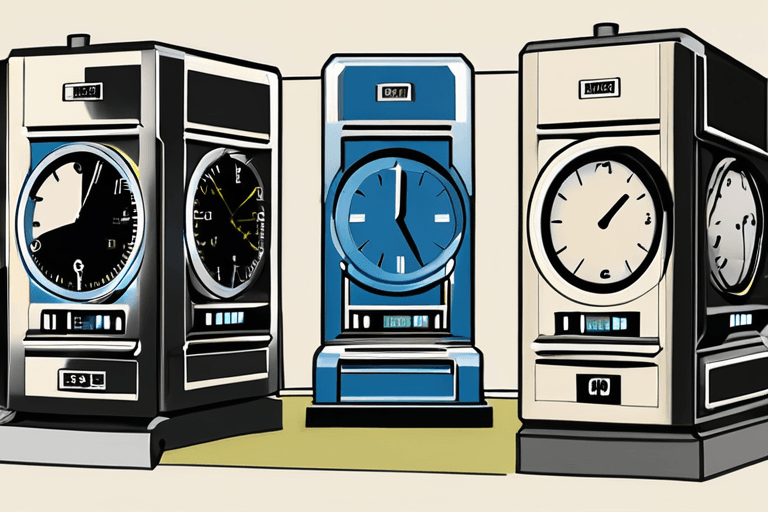
Meanwhile, the Bulletin of the Atomic Scientists Science and Security Board (SABS) announced that the Doomsday Clock was set to 85 seconds to midnight, the closest it has ever been to signifying global catastrophe. Wired reported that the SABS cited the growing threat of nuclear weapons, disruptive technologies like AI, biosecurity concerns, and the persistent climate crisis as key factors. The Doomsday Clock, created in 1947 during the Cold War, serves as a symbolic representation of humanity's proximity to self-destruction.
AI's growing presence is also impacting government operations. Wired revealed that U.S. Immigration and Customs Enforcement (ICE) is utilizing Palantir's generative AI tools to process immigration enforcement tips submitted through its public form. This AI Enhanced ICE Tip Processing service helps investigators quickly identify and action urgent cases, translate submissions, and provide a "BLUF" (bottom line up front) summary of each tip using large language models, according to a Department of Homeland Security inventory released Wednesday.
However, not all perspectives on technology are optimistic. Henrik Dahl, a Danish MEP, argued in a Euronews opinion piece that Europe lacks crucial military capabilities, particularly independent command, intelligence, and digital infrastructure, which are still largely provided by the US. While the article did not directly relate to AI, it highlighted broader concerns about Europe's technological dependence.

















Discussion
Join the conversation
Be the first to comment