Doomsday Clock Remains Near Midnight Amidst Nuclear Concerns and Emerging Tech
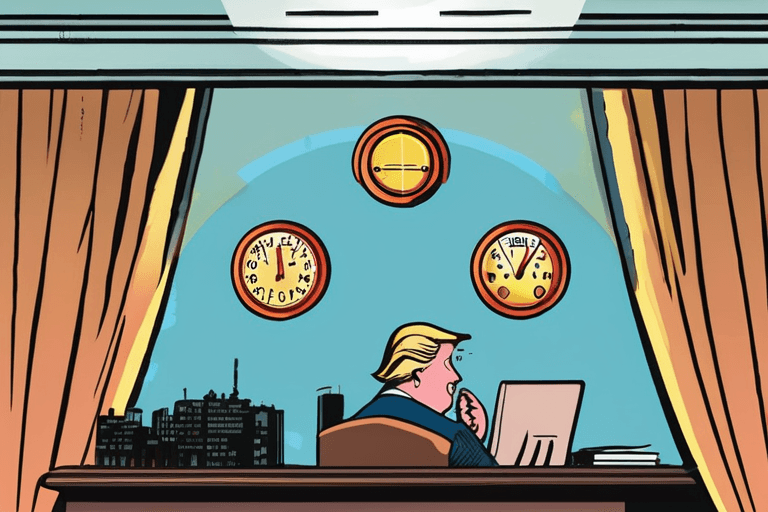
The Doomsday Clock, a symbolic representation of humanity's proximity to global catastrophe, was set at 85 seconds to midnight, remaining at the closest it has ever been to midnight, according to the Bulletin of the Atomic Scientists Science and Security Board (SABS) on January 28, 2026. The clock, created in 1947 during the Cold War, reflects the expert council's assessment of threats facing the world.
This year, the SABS highlighted several key factors contributing to the continued peril, including the growing threat of nuclear weapons, disruptive technologies like artificial intelligence, concerns about biosecurity, and the persistent climate crisis, according to Wired.
The Trump administration secretly overhauled nuclear safety rules, according to NPR.
Artificial intelligence is also driving unprecedented investment in massive data centers, which require significant energy resources. MIT Technology Review reported that next-generation nuclear power plants are being considered as a potential source of electricity for these facilities, as they could be cheaper to construct and safer to operate than their predecessors.
In other technology news, Life Biosciences, a Boston startup, received FDA approval to begin the first human test of a rejuvenation method aimed at treating eye disease, according to MIT Technology Review. The company plans to use a reprogramming concept to attempt age reversal in human volunteers.
Time reported on the climate impact of digital clutter, noting that every sent message, recorded video, and voice note has an energy impact. The article emphasized that storing forgotten digital clutter in the cloud requires resources, as data centers use electricity, air conditioning, and water to keep cool.

















Discussion
Join the conversation
Be the first to comment