Doomsday Clock Nears Midnight Amid Global Concerns Over AI, Nuclear Threats, and Climate Change
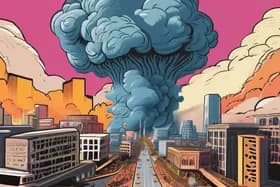
The Bulletin of the Atomic Scientists' Science and Security Board moved the symbolic Doomsday Clock to 85 seconds to midnight, the closest it has ever been, citing escalating global threats. The announcement, covered by multiple news sources, highlighted concerns over nuclear weapons, climate change, disruptive technologies like artificial intelligence (AI), and biosecurity risks. These threats are compounded by a rise in nationalistic autocracies and a lack of international cooperation, according to the Bulletin.
The Doomsday Clock serves as a symbolic representation of global catastrophe, reflecting a worsening situation due to insufficient progress in addressing critical challenges. The Bulletin of the Atomic Scientists has been using the clock since 1947 to warn the public about the dangers facing humanity.
AI's role in escalating global risks was a key factor in the decision to move the clock closer to midnight. The rapid development of AI presents both benefits and serious risks, according to Vox. Anthropic, an AI company, has even developed an 80-page "soul document" for its chatbot Claude, outlining its moral education, according to a Vox report by Sigal Samuel.
Beyond technological threats, the world continues to grapple with existing geopolitical tensions. Pope Leo XIV, in his New Year's Day message and weekly address, appealed for world peace and an end to antisemitism, prejudice, oppression, and persecution, according to Fox News and other sources. He emphasized the need for vigilance against genocide and called for societies built on mutual respect, also addressing rising tensions in the Middle East and urging prayer for peace.
Europe's continued reliance on the US for military capabilities, despite aspirations for greater autonomy, remains a point of discussion across various news outlets. Other global events, ranging from legal and political controversies involving Paramount and Ticketmaster to economic challenges in Mumbai and Cuba, further contribute to a sense of global instability.


















Discussion
Join the conversation
Be the first to comment