UK Gears Up for Driverless Taxis Amidst Global AI Investment Surge and Regulatory Debates
London could see driverless taxis as early as September, according to Waymo, the US driverless car firm owned by Google-parent Alphabet. This development comes as governments and tech companies worldwide grapple with the rapid expansion of artificial intelligence (AI) and its implications.
Waymo announced its plans to launch a pilot service in London in April, with hopes of a full robotaxi service by September. Local Transport Minister Lilian Greenwood stated the government is "supporting Waymo and other operators through our passenger pilots, and pro-innovation regulations to make self-driving cars a reality on British roads." The UK government anticipates regulatory changes in the second half of 2026 to fully enable driverless taxis.
The push for autonomous vehicles coincides with a massive increase in AI investment by tech giants. Meta, the parent company of Instagram and Facebook, plans to nearly double its AI spending this year, allocating up to $135 billion, according to a company announcement during a call with financial analysts on Wednesday. This figure dwarfs the $72 billion Meta spent on AI projects and infrastructure last year. Meta CEO Mark Zuckerberg said he expects "2026 to be the year that AI dramatically changes the experiences people have using our products."
However, the rapid advancement of AI is not without its challenges. South Korea recently launched what it calls world-first laws aimed at regulating artificial intelligence. While the legislation is intended to position South Korea as a leading tech power, it has faced criticism from tech startups, who argue the laws go too far, and civil society groups, who believe they don't go far enough.
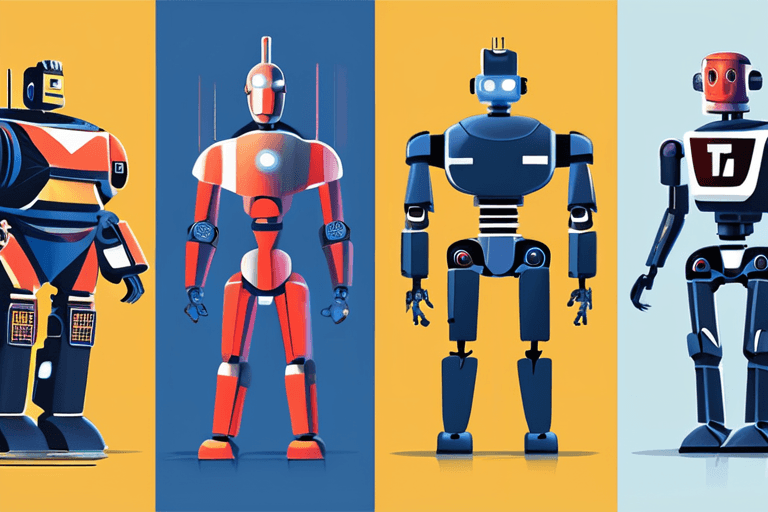
Meanwhile, Tesla is shifting its focus towards AI and robotics, announcing plans to end production of its Model S and Model X vehicles. The company will repurpose its California manufacturing plant to produce humanoid robots, known as Optimus. This strategic shift comes as Tesla reported a 3% decline in total revenues in 2025, and a 61% drop in profits in the last three months of the year. The company also lost its position as the world's biggest EV maker to China's BYD in January.
In other international news, British Prime Minister Starmer met with Chinese leader Xi, calling for a "more sophisticated" relationship with China. Starmer emphasized the need for collaboration on global stability, climate change, and other issues, stating, "I have long been clear that the UK and China need a long term, consistent and comprehensive strategic partnership."















Discussion
Join the conversation
Be the first to comment