Global Affairs Dominated by Diplomatic Tensions and Economic Concerns
Diplomatic relations across the globe faced turbulence as South Africa expelled a top Israeli diplomat, Niger's military ruler accused foreign powers of involvement in an attack, and Mexico's president cautioned against potential US tariffs on Cuba. Meanwhile, in the United States, speculation grew regarding President Trump's potential pick for the next Federal Reserve chair, and the UK and China sought to reset their economic relationship.
South Africa expelled Israel's chargé d'affaires, Ariel Seidman, declaring him persona non grata and giving him 72 hours to leave the country. This action followed what South Africa deemed "insulting attacks" on President Cyril Ramaphosa. The move represents a tit-for-tat expulsion, escalating tensions between the two nations, which have long been at odds over South Africa's support for the Palestinian cause, according to The Guardian.
In Niger, heavy security was deployed around Niamey's main airport after overnight gunfire and explosions. General Tchiani, the country's military ruler, accused France, Benin, and Côte d'Ivoire of being linked to the attack near the airport, as reported by The Guardian. Tchiani also expressed gratitude to Russian troops for their defense efforts. However, he provided no evidence to support his accusations against the other nations.
Concerns arose regarding potential US policy towards Cuba, as Mexican President Claudia Sheinbaum warned that tariffs on countries supplying oil to Cuba could trigger a humanitarian crisis. According to The Guardian, Sheinbaum highlighted Cuba's chronic fuel shortages and regular blackouts, noting the island only has enough oil to last 15-20 days. President Trump signed an executive order declaring a national emergency and laying the groundwork for such tariffs, increasing pressure on the Cuban government.
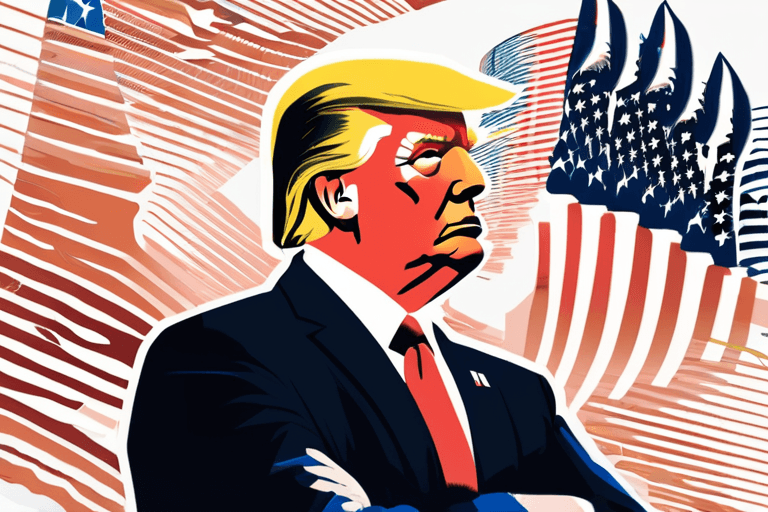
Domestically, in the United States, President Trump was reportedly considering Kevin Warsh to lead the US Federal Reserve when current chairman Jerome Powell's term ends in May, according to BBC Business. Warsh, a former Fed governor and outspoken critic of the Fed, was previously considered for the position during Trump's first term. His appointment could signal a shift towards lower interest rates, a policy Trump has publicly advocated for. The appointment comes amid growing concerns about the Fed's independence, following Trump's increasing attacks on Powell in recent months.
Meanwhile, the United Kingdom and China signaled a potential thaw in their relationship. Sir Keir Starmer's visit to China this week, the first by a UK prime minister since Theresa May in 2018, is a sign that both countries are seeking to end the diplomatic "ice age" that has defined their relationship, according to BBC Business. Both leaders face economic pressures at home and are seeking new opportunities for trade and investment. Starmer's visit aimed to showcase the strength of British firms in finance, pharmaceuticals, healthcare, clean energy, and car making. President Xi Jinping, meanwhile, aimed to show that China can be a reliable partner.
















Discussion
Join the conversation
Be the first to comment