Global Tensions Rise as US Policy Impacts Panama, Cuba, Venezuela, and Ukraine
A series of international events unfolded this week, highlighting the increasing influence of U.S. foreign policy across the globe. These events included a Panama Supreme Court ruling impacting a Chinese company, new U.S. tariff threats against countries selling oil to Cuba, a pause in Russian attacks on Kyiv following a request from U.S. President Donald Trump, nationwide strikes in the U.S. over immigration policies, and the capture of Venezuelan President Nicolas Maduro by U.S. forces.
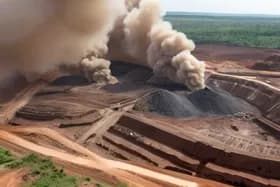
In Panama, the Supreme Court canceled a concession held by a subsidiary of a Hong Kong company, CK Hutchison, to operate ports at each end of the Panama Canal. According to The Guardian, Panama's president assured that the strategic waterway would continue to operate as normal. The court's decision was seen as potentially aiding U.S. efforts to limit Chinese influence in the region.
Meanwhile, the White House announced that President Trump signed an executive order that could lead to tariffs on goods from countries that provide oil to Cuba. The Guardian reported that the order declares a national emergency and directs the secretaries of state and commerce to assess tariffs against countries that support Cuba. The move is intended to increase pressure on Cuba's government, which the White House views as having ties to hostile powers.
In Eastern Europe, Russia agreed to temporarily halt attacks on Kyiv and surrounding towns until February 1, following a request from President Trump. Al Jazeera reported that the Kremlin cited the record-setting cold gripping the region as a factor in the decision, with many Ukrainians lacking heating due to previous Russian attacks on power infrastructure.
Domestically, the U.S. experienced widespread protests as citizens initiated a nationwide strike in response to the Trump administration's deportation policies. Al Jazeera noted that the strike, organized by various activist groups, followed the killing of two U.S. citizens in Minnesota by immigration enforcement agents. The Department of Justice has launched a probe into the killings, according to Al Jazeera.
In Venezuela, the situation remained tense after the capture of President Nicolas Maduro by U.S. military personnel in Caracas. Al Jazeera reported that reactions within Venezuela were sharply divided, with some celebrating and others expressing fear and anger, accusing the U.S. of attempting to install a puppet government to control Venezuela's vast oil reserves. Al Jazeera interviewed Luis Ernesto Patino, an activist and political commentator, and Adelys Ferro, executive director of the Venezuelan American Caucus, about the potential future of Venezuela.












Discussion
Join the conversation
Be the first to comment