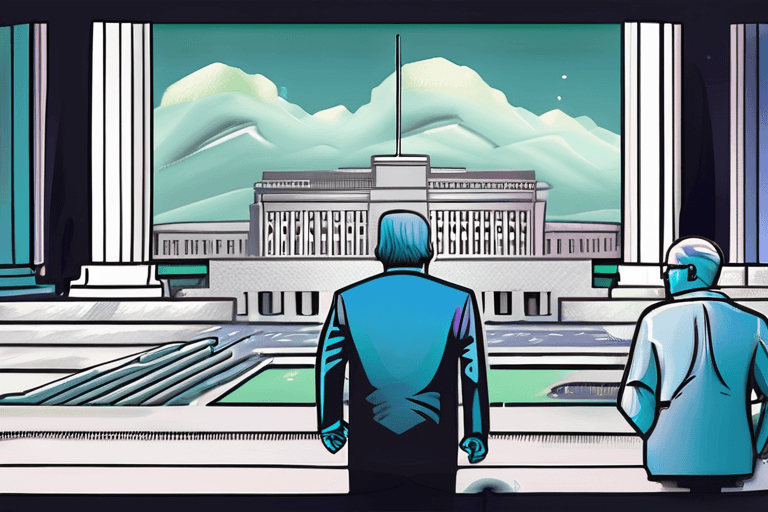
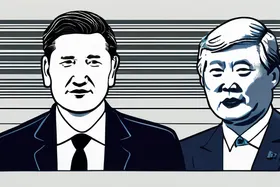
President Donald Trump's potential nomination of Kevin Warsh to lead the Federal Reserve, coupled with other economic and geopolitical strategies, has drawn attention to the complexities of international finance and resource management. Warsh, a former Fed governor, had been critical of the central bank, calling for a revamp of its economic models and staff, according to Fortune.
Trump's interest in Greenland's mineral wealth also faced hurdles. Despite establishing a framework for U.S. involvement in the island's mineral rights, securing access to these resources could be complicated by strained relationships with European allies, according to Wood Mackenzie, an energy and mining research firm. Greenland ranks eighth globally in rare earth reserves, essential for advanced electronics and electric cars.
Trump's tendency to cast his administration appointments was evident in his praise of Warsh. "I have known Kevin for a long period of time, and have no doubt that he will go down as one of the GREAT Fed Chairmen, maybe the best," Trump wrote on Truth Social, also noting Warsh's "central casting" appeal.
Meanwhile, major U.S. oil companies like Exxon Mobil and Chevron remained cautious about increasing capital spending in Venezuela. They were waiting for legal and political reforms to make the country more attractive for foreign oil investments, Fortune reported. Exxon Chairman and CEO Darren Woods had previously told Trump that Venezuela was "currently uninvestable until major reforms are enacted, and the country sees real stability."
In other economic news, OpenAI was reportedly considering a fourth-quarter 2026 initial public offering (IPO). This IPO would test investor confidence in the AI sector, Fortune noted. While the company was valued at $500 billion, it did not expect to turn a profit until 2030. The timing of the IPO coincided with growing concerns about whether generative AI could deliver returns justifying the massive investments in the field.










Discussion
Join the conversation
Be the first to comment