Global Tensions Rise as US Engages in Diplomacy and Domestic Unrest
Tensions flared across the globe on Friday, January 30, 2026, as the United States navigated a complex web of international relations and domestic challenges. From potential negotiations with Iran to a pause in Russian attacks on Kyiv and nationwide protests, the Trump administration faced pressure on multiple fronts.
Iranian Foreign Minister Abbas Araghchi stated in Istanbul, Turkiye, that Iran is open to "fair and equitable talks" with the United States. However, Araghchi emphasized that "negotiations cannot take place under the shadow of threats," according to Al Jazeera. This statement came amid heightened tensions and speculation about potential U.S. military action against Tehran.
In Eastern Europe, Russia agreed to halt attacks on Kyiv and surrounding towns until February 1, following a request from U.S. President Donald Trump. Al Jazeera reported that the Kremlin cited the record-setting cold gripping the region as a factor, with many Ukrainians lacking heating due to previous Russian attacks on power infrastructure.
Domestically, the U.S. experienced widespread protests as citizens initiated a nationwide strike, abstaining from work, school, and shopping. According to Al Jazeera, the strike was organized by various activist groups in response to the Trump administration's deportation policies and the recent killing of two U.S. citizens in Minnesota by immigration enforcement agents. The protests built upon a state-wide strike held the previous week.
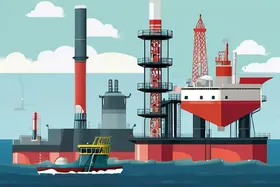
Meanwhile, in Venezuela, the nation braced for uncertainty following the U.S. military's abduction of President Nicolas Maduro. Reactions were divided, with some celebrating the end of an era and others expressing fear and anger, accusing the U.S. of attempting to install a puppet government to control Venezuela's vast oil reserves, Al Jazeera reported.
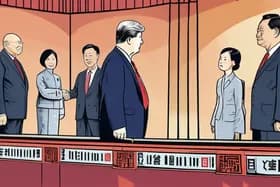
In other international news, China lifted sanctions on some British Members of Parliament and peers, now allowing all parliamentarians to visit the country, Sky News reported. Prime Minister Keir Starmer told Sky News that the sanctions had been a "real cause for concern across parliament," and he had raised the issue with China's President Xi Jinping during a recent trip. However, one of those sanctioned told Sky News, "It's not a win, it's a capitulation."















Discussion
Join the conversation
Be the first to comment