Here's a news article synthesizing the provided information:
Global Events Marked Start of 2026 with Sports, Weather, and Space Exploration News
The beginning of 2026 saw a flurry of activity across the globe, ranging from international sports controversies and extreme weather events to crucial decisions regarding space exploration and geopolitical maneuvering.
In the world of sports, the African Cup of Nations final between Senegal and Morocco descended into chaos, resulting in hefty fines and bans for players and coaches. According to the Associated Press, reporting for NPR, the African soccer body issued fines exceeding $1 million following the "shambolic" final. The penalties stemmed from a walk-off protest, attempts by fans to storm the field, and fights among journalists during the match held in Rabat, Morocco, on January 18, 2026.
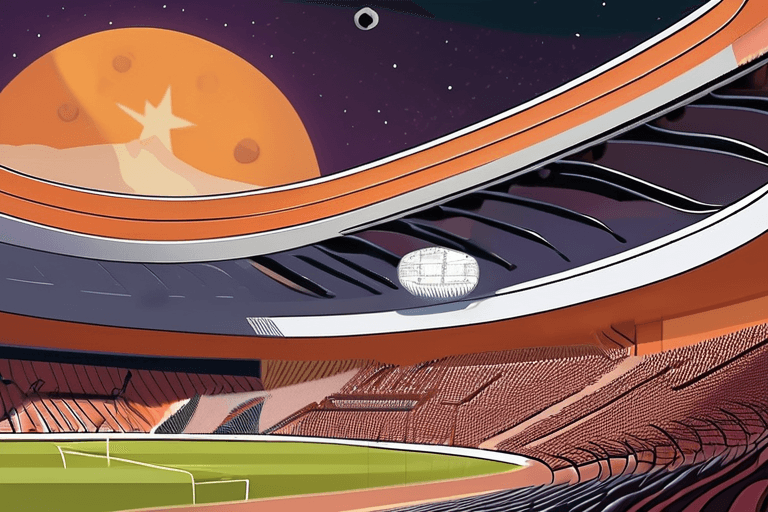
Meanwhile, anticipation built for the ICC T20 World Cup 2026, scheduled to begin on February 7. Al Jazeera reported that five stadiums across India and three in Sri Lanka would host the matches, with 20 teams competing for the title. The Narendra Modi Stadium, described as "the biggest venue in cricket," is slated to host the final.
On the weather front, Moscow experienced its heaviest snowfall in over 200 years. Euronews reported that Moscow State University meteorologists confirmed the record-breaking snowfall, which disrupted daily life in the Russian capital. Images showed residents struggling through "heavy piles of snow" in the city's central district, with commuter trains delayed and cars stuck in traffic.
In space exploration news, NASA faced a critical decision regarding its next Mars spacecraft. Ars Technica reported that the agency was weighing its options for a new spacecraft to relay communications from Mars to Earth, a need made more pressing by the recent loss of the MAVEN spacecraft. The Mars Reconnaissance Orbiter, which has been in service for 20 years, remains NASA's best communications relay, highlighting the urgency for a replacement. Congress has allocated an additional $700 million to address this issue.
Geopolitically, undercurrents related to former U.S. President Donald Trump influenced discussions between Asian and European leaders. According to the Associated Press, reporting for NPR, government leaders in Beijing, and other Asian capitals, subtly addressed concerns about "stability" and "consistency" in international relations, driven in part by the specter of Trump, even without explicitly mentioning his name. During meetings in Beijing, U.K. and Chinese leaders called for a "long-term, stable, and c" relationship.



















Discussion
Join the conversation
Be the first to comment