U.S. Intervention in Venezuela Sparks Division, Anti-ICE Protests Erupt Nationwide
The United States' recent intervention in Venezuela, including the capture of Nicolás Maduro, has ignited controversy both domestically and internationally, while protests against federal immigration tactics have spread across the U.S. According to NPR, the intervention, which occurred just over a month ago, continues to send shockwaves through Houston, a city with significant ties to the Venezuelan oil industry and a large Venezuelan community.
The U.S. action in Venezuela has divided opinions, particularly in Houston. NPR reported that some fear the consequences of the intervention, while others see it as a potential path to stability. Lupita Gutierrez, a fruit and vegetable vendor at the Houston Farmer's Market, told NPR she believes President Trump ordered the intervention to distract Americans from his failure to reduce inflation.
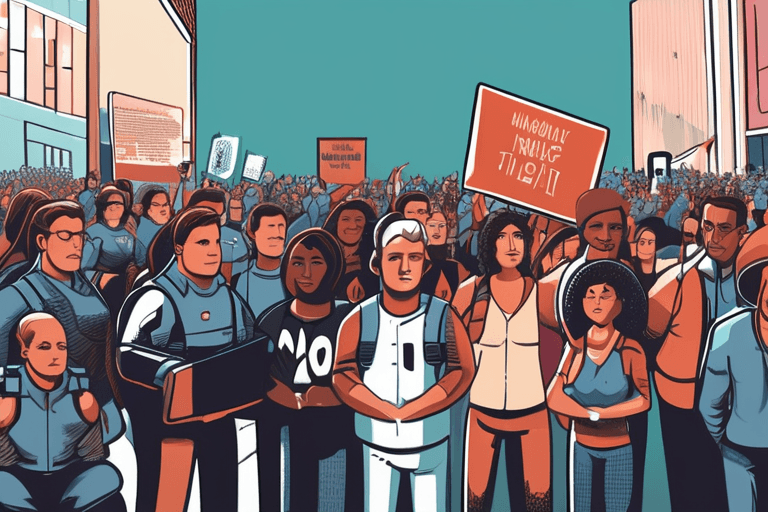
Meanwhile, anti-ICE protests took place across the United States on Saturday, January 31, 2026. NPR reported that the group 50501 organized a national day of action, calling on communities to "shut ICE Out of Everywhere." The protests included calls for boycotts against retailers and businesses perceived to be cooperating with U.S. Immigration and Customs Enforcement (ICE) and U.S. Customs and Border Protection. The demonstrations followed the death of two protesters in Minneapolis in January, according to NPR.
These protests came amid increased scrutiny of ICE's enforcement tactics. Fortune reported that a federal judge ordered the release of a 5-year-old boy and his father from a Texas detention center, criticizing the Trump administration's "incompetently-implemented government pursuit of daily deportation quotas." Liam Conejo Ramos and his father, Adrian Conejo Arias, were detained in Columbia Heights, Minnesota, on January 20 and subsequently transferred to Dilley, Texas, according to Fortune. Images of Liam, wearing a bunny hat and Spider-Man backpack, surrounded by ICE officers sparked outrage, Fortune noted.
The debate over immigration enforcement also comes at a time when the strength and resilience of democracies are being questioned. NPR reported that democracies often emerge weaker and more fragile after periods of authoritarian rule. Nic Cheeseman, a professor at the University of Birmingham, analyzed three decades of data and found that losing democracy once can make it harder to restore it, even after a democratic government returns to power.















Discussion
AI Experts & Community
Be the first to comment