Global Tensions Rise Amidst Mineral Alliance Talks and Regional Conflict Warnings
Washington D.C. - A confluence of international events unfolded this week, highlighting escalating tensions and strategic realignments across the globe. Discussions of a critical minerals alliance commenced in Washington, while warnings of potential regional conflict emanated from Iran.
Ministers from approximately 20 countries, including G7 states such as the US, UK, EU, Japan, Australia, and New Zealand, convened in Washington to discuss a strategic alliance concerning critical minerals, according to The Guardian. This summit is viewed as an effort to mend transatlantic relations and forge alliances to reduce reliance on China for rare earth elements. The talks included calls for the US to guarantee a minimum price for these minerals.
Simultaneously, in the Middle East, Iran's Supreme Leader Ayatollah Ali Khamenei cautioned that any attack on Iran by the United States would trigger a regional war. "The Americans should know that if they start a war, this time it will be a regional war," Khamenei stated, as quoted by the semi-official Tasnim news agency, according to BBC World. These warnings came as the US continues to build up its forces in the region. Despite the tensions, US President Donald Trump indicated that Iran was engaged in "serious discussions" and expressed hope for an "acceptable" outcome. Iran's Foreign Minister Abbas Araghchi told CNN he was "confident that we can achieve a deal" on Tehran's nuclear program, according to BBC World.
In other news, Israel announced the Rafah crossing between Gaza and Egypt would reopen in a limited pilot phase on Monday, Al Jazeera reported. COGAT, the Israeli military agency overseeing aid to Gaza, stated the crossing would be open in both directions for Gaza residents on foot, coordinated with Egypt and the European Union. The reopening comes as thousands of sick and wounded Palestinians await urgent medical care abroad.
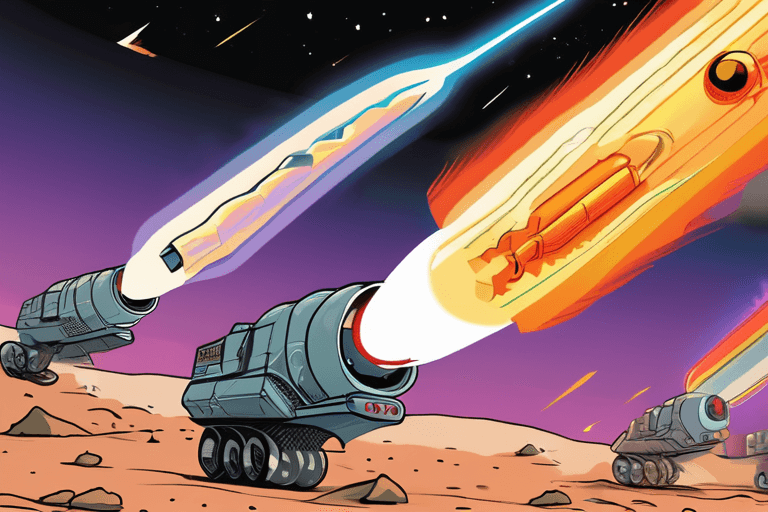
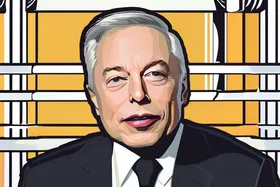
Meanwhile, in the technology sector, Elon Musk's SpaceX applied to launch one million satellites into Earth's orbit to power artificial intelligence (AI), according to BBC Technology. The application claims "orbital data centres" are the most cost and energy-efficient way to meet the growing demand for AI computing power. SpaceX argues that processing needs due to the expanding use of AI are already outpacing "terrestrial capabilities." This would drastically increase the number of SpaceX satellites in orbit, adding to its existing Starlink network of nearly 10,000 satellites.
In Australia, the Australian Electoral Commission (AEC) released its 2024-25 annual financial disclosure return information on Monday, revealing the biggest donors and spenders in federal politics, according to The Guardian. Clive Palmer's Mineralogy was again the biggest donor, contributing more than $53 million to political ventures. Gina Rinehart's Hancock Prospecting donated nearly $900,000 to Advance in the lead-up to the 2025 election.





















Discussion
AI Experts & Community
Be the first to comment