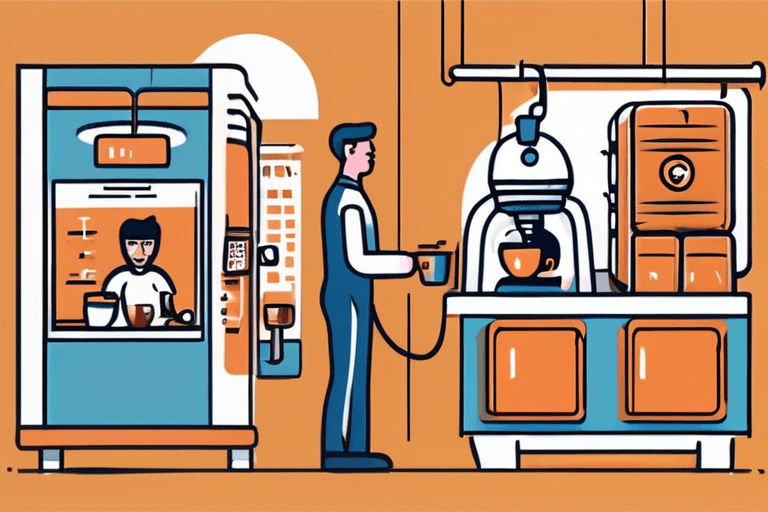
Robot baristas are making headlines, raising questions about automation and security in everyday life. Artly's "Jarvis," a robotic arm crafting lattes in Seattle's Hill7 lobby, has garnered attention for its surprisingly competent coffee-making skills, challenging the perceived necessity of human touch in the service industry, according to multiple news sources. The rise of these automated solutions coincides with broader discussions about security vulnerabilities in AI and the increasing presence of automation in various sectors.
Jarvis, operating near Pike Place Market, utilizes a customized La Marzocco espresso machine to create coffee for residents and visitors. The robot's presence sparks debate about the future of human interaction in coffee shops and other service-oriented businesses, as reported by The Verge. While some appreciate the efficiency and novelty, the question remains whether robots can truly replace the human touch.
The increasing reliance on AI assistants and automated systems also raises concerns about security and digital sovereignty. One example of addressing security concerns is NanoClaw, a personal Claude assistant designed to run securely in Apple containers. According to Hacker News, NanoClaw was built as a lightweight and customizable alternative to OpenClaw, prioritizing security through OS isolation and a simplified codebase. The creator of NanoClaw stated the project offers "the same core functionality in a codebase you can understand in 8 minutes," contrasting it with OpenClaw's complexity.
These developments occur against a backdrop of societal divisions and concerns about the impact of technology on cognition, as noted by multiple news sources. The convergence of automation, AI, and security vulnerabilities highlights the need for careful consideration of the ethical and societal implications of technological advancements.



















Discussion
AI Experts & Community
Be the first to comment