AI Baristas Brew Security Risks as Starbucks Invests in Automation
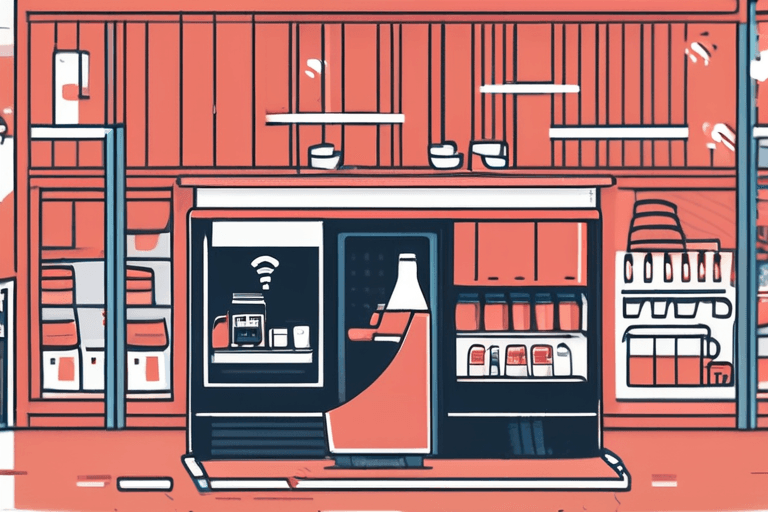
Starbucks is investing heavily in automation, including AI-powered drive-thrus, virtual barista assistants, and inventory management tools, to improve efficiency and customer experience, according to multiple news sources. The move comes after struggling sales, but investor concerns remain about the impact of these investments on overall profits, despite the CEO's confidence in future growth and cost savings, according to BBC Business. Simultaneously, the increasing presence of automation, exemplified by robot baristas like Artly's "Jarvis" in Seattle, is raising questions about the role of human interaction in service industries, as reported by Hacker News.
While Starbucks has seen its first sales increase in two years, the company's investment in automation comes with potential risks. Advancements in areas like smartphone camera technology and AI assistants are accompanied by concerns regarding security, usability, and digital sovereignty, according to Hacker News.
One example of the increasing presence of automation is Artly's "Jarvis" in Seattle. The robot barista is sparking debate about the role of human interaction in service industries, according to Hacker News.
The move towards automation comes as a winter storm traveling across the southern United States is threatening to drop snow on parts of Florida's Gulf Coast for the first time in a decade, as forecasters warn it could develop into a "bomb cyclone," according to Time. The storm had already begun to drop snow on parts of eastern Tennessee, the Carolinas, and southern Virginia by Friday, and Tampa could see snow flurries for the first time since 2010. About 240 million people were under cold weather advisories Saturday, and nearly 200,000 customers were without power, some from last week's storm, most in Tennessee and Mississippi, according to Time.
In other news, one individual detailed their experience building a Telegram bot with Cloudflare Workers, Durable Objects, and grammY to track their water intake, according to Hacker News. The individual chose the bot route because they wanted a new tech stack that was low friction to use. They did not want to develop another web app in which they had to log in to.




















Discussion
AI Experts & Community
Be the first to comment