Enterprises are facing challenges with Retrieval-Augmented Generation (RAG) systems, as standard preprocessing methods often fail to adequately handle complex documents, according to VentureBeat. The failures in retrieval can lead to business risks related to trust, compliance, and operational reliability, necessitating a system-level approach to designing retrieval platforms that prioritize freshness, governance, and evaluation.
Many enterprises have deployed some form of RAG, hoping to index PDFs, connect a Large Language Model (LLM), and instantly democratize their corporate knowledge, according to VentureBeat. However, for industries dependent on heavy engineering, the reality has been underwhelming, with engineers asking specific questions about infrastructure and the bot hallucinating.
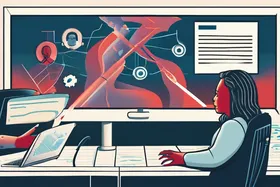
The failure isn't in the LLM, but in the preprocessing, VentureBeat reported. Standard RAG pipelines treat documents as flat strings of text, using "fixed-size chunking" (cutting a document every 500 characters). This works for prose, but it destroys the logic of technical manuals, slicing tables in half, severing captions from images, and ignoring the visual hierarchy of the page.
In other tech news, multiple sources reported on a variety of topics, including tech gadgets like the Xteink X4 e-reader and AI-powered notetakers, according to Hacker News. Indonesia conditionally lifted its ban on xAI's Grok chatbot after concerns about nonconsensual image generation were addressed. Automation in service industries is also on the rise, exemplified by Seattle's robotic barista Jarvis.
Meanwhile, scientists are being warned to be wary of predatory journals and conferences, according to Nature News. An innovative tool called Aletheia-Probe offers a simple way to check the ratings of journals and conferences, so users can better assess which ones to trust. Scientists often receive flattering e-mails inviting them to submit their work to journals and conferences that are happy to take their money in return for a shoddy service. The publications might skimp on the peer-review process or disappear after a few months; the conferences might consist of empty meeting rooms.
In entertainment news, the HBO finance drama "Industry" is garnering attention for its boundary-pushing storytelling, according to Time. Now in its fourth season, the series has ditched its London trading-floor origins for a more expansive exploration of power, class, gender, race, and personal morality.



















Discussion
AI Experts & Community
Be the first to comment