Here's a news article synthesizing the provided information:
Gaza's Rafah Crossing Reopens, Nigeria Kidnap Victims Escape, Musk Seeks Satellite Launch, and Fuel Price Transparency Arrives in UK
The Rafah border crossing between the Gaza Strip and Egypt reopened for the movement of people, according to BBC World. The crossing had been largely closed since May 2024, when Israeli forces captured the Gazan side. The reopening was intended to coincide with the first phase of a US ceasefire plan between Israel and Hamas, which began in October, but was delayed until the return of the last Israeli hostage in Gaza last week.
In Nigeria, eighty people who were kidnapped from three churches in Kaduna state last month have returned home, BBC Africa reported. The worshippers were among 177 people seized from the remote village of Kurmin Wali. According to state police spokesman Mansur Hassan, the 80 individuals escaped on the same day they were taken but hid in neighboring villages for approximately two weeks "due to fear of being captured again." Authorities are continuing efforts to secure the release of the remaining 86 people still being held.
Meanwhile, in the technology sector, Elon Musk's SpaceX has applied to launch one million satellites into Earth's orbit, BBC Technology reported. The application states that these "orbital data centers" are the most cost and energy-efficient way to meet the growing demand for artificial intelligence (AI) computing power. SpaceX claims that the processing needs driven by the expanding use of AI are already outpacing "terrestrial capabilities." The existing Starlink network has nearly 10,000 satellites.
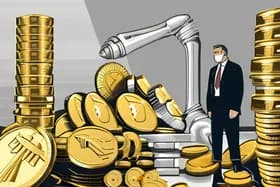
In business news, gold and silver prices experienced a plunge after losses on Friday, according to BBC Business. Spot gold prices fell more than $9 to $4,403 (£3,222) an ounce in Asia trade on Monday, while silver slumped by $15 to less than $72 an ounce. Prices had reached record highs in January as investors sought "safe haven" assets amidst geopolitical uncertainties. The naming of Kevin Warsh as the new chair of the US Federal Reserve, was welcomed in general by the markets.
Finally, in the UK, a new government scheme has been launched to allow drivers to compare fuel prices at different petrol stations, BBC Business reported. Garages and fuel stations are now required to report their prices to third-party apps and websites within 30 minutes. Chancellor Rachel Reeves stated that the Fuel Finder Scheme could save the average household £40 a year. Motoring groups have noted that motorists can pay up to 20p per litre more for fuel depending on location. The Fuel Finder Scheme aims to "allow drivers to find the best deals and spur competition as fuel retailers compete."



















Discussion
AI Experts & Community
Be the first to comment