World Grapples with Geopolitical Tensions, Domestic Scandals, and Technological Advances
The early days of February 2026 have been marked by a complex interplay of global tensions, domestic controversies, and technological advancements, according to multiple news sources. From escalating tensions between the U.S. and Colombia to ongoing investigations into past scandals and breakthroughs in electric vehicle adoption, the world faces a confluence of challenges and opportunities.
Colombian President Gustavo Petro is scheduled to meet with U.S. President Donald Trump at the White House to address escalating tensions surrounding Venezuela, drug trafficking, and U.S. foreign policy, BBC World reported. The meeting, facilitated by Senator Rand Paul, aims to de-escalate the situation after months of public disagreements and accusations from both leaders. Petro had previously compared U.S. immigration policies to "Nazi brigades," while Trump had threatened military action in Colombia, according to BBC World.
Domestically, the Clintons agreed to testify before the House Oversight Committee regarding Jeffrey Epstein, Variety reported. The circumstances surrounding the testimony were not immediately clear. Separately, Attorney General Pam Bondi vowed to prosecute individuals involved in an anti-ICE protest at a Minnesota church under the FACE Act, according to Vox.
The Trump administration also faced legal challenges, with a judge blocking their attempt to end Temporary Protected Status (TPS) for Haitians, Time reported. Jared Kushner's "New Gaza" plan continued to draw scrutiny amid rising tensions in Iran, Time reported.
In other news, Savannah Guthrie's mother, Nancy Guthrie, went missing in Arizona under suspicious circumstances, prompting a public plea for prayers, Variety reported. The FBI also conducted a search of Fulton County's election office, according to Variety. Laura Fernández secured a presidential win in Costa Rica, Variety reported. Chuck Negron passed away, according to Variety.
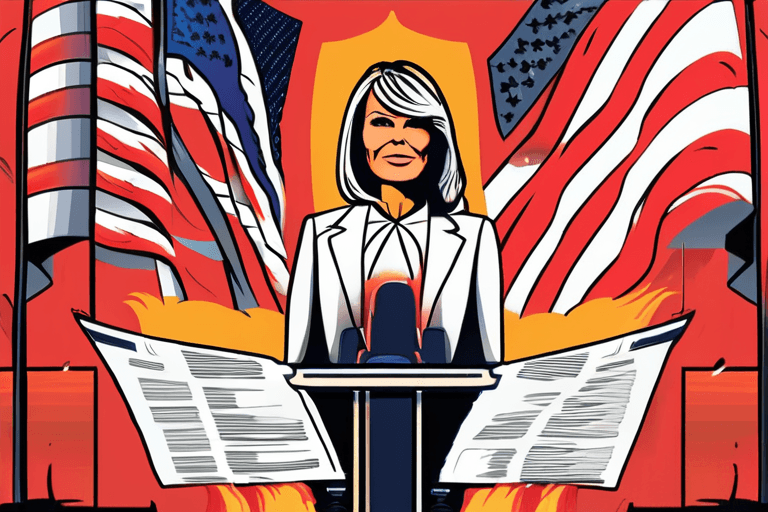
Meanwhile, First Lady Melania Trump accepted a media deal that will pay her at least seven times the income of the average American household, Vox reported. This deal sparked debate, with some criticizing it as a "cash grab," while others defended it as a legitimate business venture. Eleanor Roosevelt accepted $1,800 for 12 radio broadcasts (more than $40,000 in 2025 dollars) sponsored by a cosmetics company in 1932, Vox reported.
Despite the anxieties surrounding international conflicts, immigration debates, ethical AI dilemmas, and economic uncertainties, advancements in electric vehicle adoption and cultural milestones like Steven Spielberg achieving EGOT status offered glimpses of progress, Time reported.





















Discussion
AI Experts & Community
Be the first to comment