International Law Strained as Conflicts Escalate; Global Political Shifts Emerge
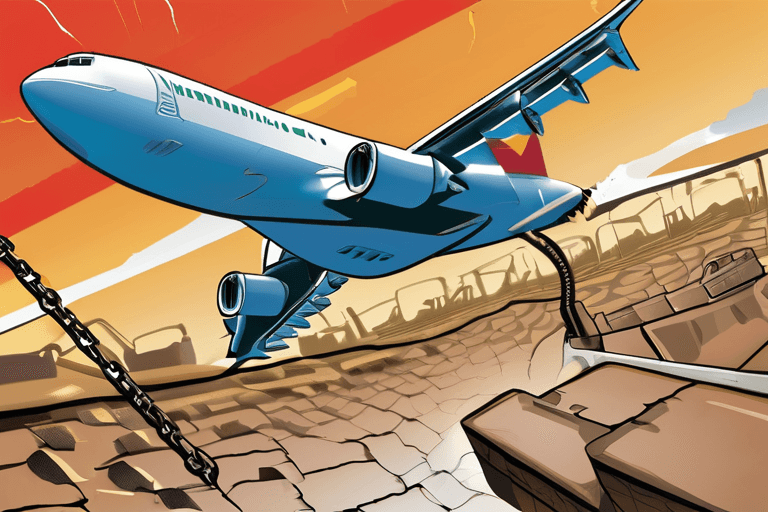
A recent study indicates that international law, designed to mitigate the impact of war, is nearing a breaking point as conflicts rage across the globe. The study, conducted by the Geneva Academy of International Humanitarian Law and Human Rights, examined 23 armed conflicts over the past 18 months and found that over 100,000 civilians have been killed, with torture and rape occurring with near impunity, according to The Guardian. The report highlights a widespread disregard for the laws of war.
In other international developments, Mexico's President Claudia Sheinbaum has pledged to send humanitarian aid to Cuba, despite efforts by the United States to restrict the island's oil access, The Guardian reported. Sheinbaum stated that Mexico is exploring all diplomatic avenues to provide fuel to the Cuban people, following previous actions by the Trump administration that threatened tariffs on countries selling oil to Cuba.
Meanwhile, in Costa Rica, Laura Fernández of the Sovereign People party won the presidential election in a landslide victory, steering Latin America further to the right, according to The Guardian. Fernández, a right-wing populist, campaigned on a promise to crack down on rising violence linked to the cocaine trade. Her nearest rival, center-right economist Álvaro Ramos, conceded defeat as results confirmed Fernández's victory.
In the United States, Júnior Pena, a right-wing Brazilian influencer who defended Donald Trump's immigration policies, was arrested by ICE agents in New Jersey, The Guardian reported. Pena, whose full name is Eustáquio da Silva Pena Júnior, had previously claimed that Trump's immigration crackdown only targeted criminals.
The United States' foreign policy decisions have also had repercussions in the Middle East. Al Jazeera reported that the US abandoning the Syrian Democratic Forces (SDF) has had a significant impact on Kurds across the region. Last month, during clashes between Kurdish forces and the Syrian army, the US signaled that its partnership with the Kurds had expired, effectively siding with Damascus and abandoning the Kurds at a vulnerable time. For Kurds across the region, this shift in US policy has profound implications.
















Discussion
AI Experts & Community
Be the first to comment