Iran Faces Uprising Amid Economic Collapse and Nuclear Treaty Uncertainty
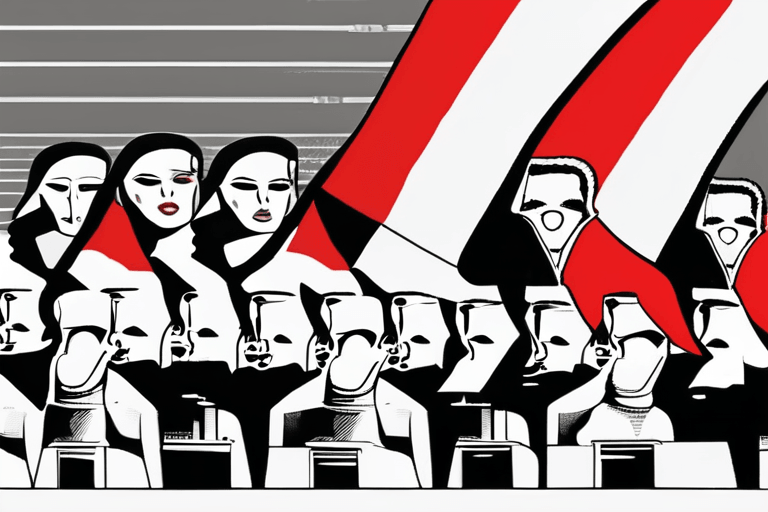
Tehran, Iran - Iran is on the brink of an uprising in early 2026, fueled by a collapsing economy and the looming end of a nuclear treaty, according to multiple news sources. Violent suppression of protests by security forces has resulted in thousands of deaths after the government shut down the internet, despite promises of U.S. intervention. The future of the Islamic Republic, established in 1979, hangs in the balance as Iranians mourn their losses and reflect on the country's identity.
The unrest comes at a time when the Islamic Republic is facing a multitude of challenges. Time magazine reported that the regime's fears have "ballooned of late," including the possibility of being overthrown by its own citizens, a full accounting of past massacres, the tenuous loyalty of its army, empty coffers, and the shadow of Israeli spies and Islamic State militants. The greatest fear of Iran's theocrats, according to Time, is "the ability of the people at large to clearly see the essential realities of the present regime."
The economic situation in Iran has been deteriorating, exacerbating public discontent. Simultaneously, the global economy is experiencing what Vox described as a "jobless boom." While the stock market is at record levels and economic growth is above 4 percent, "there is virtually no hiring, and that has left many Americans feeling stuck and anxious," according to Vox. This global economic trend may be further straining Iran's already fragile economy.
The current turmoil marks a stark contrast to the initial hopes that accompanied the establishment of the Islamic Republic. On February 1, 1979, Ayatollah Ruhollah Khomeini returned to Tehran after 15 years of exile, greeted by millions of Iranians who "saw him as a spiritual man who would usher in democracy and deliver a better economic life," according to Time. However, "Khomeini and his supporters delivered neither," instead transforming the Shah's authoritarian monarchy into a totalitarian theocracy.
The violent crackdown on protests has further alienated the population. The government's actions are seen as an attempt to dismantle the people's capacity to feel and confiscate their humanity. Despite the bleak situation, some observers emphasize the resilience and spirit of the Iranian people. As one Time contributor wrote, "When I think of Iran, I think of light...I think of the play of light on leaves, on water, on mountains."
As the nuclear treaty nears its end, the international community is watching closely. The potential collapse of the Islamic Republic could have far-reaching consequences for the region and the world. The coming weeks will be critical in determining the future of Iran and its people.

















Discussion
AI Experts & Community
Be the first to comment