Back Seat Safety Lags Behind, Crash Tests Reveal
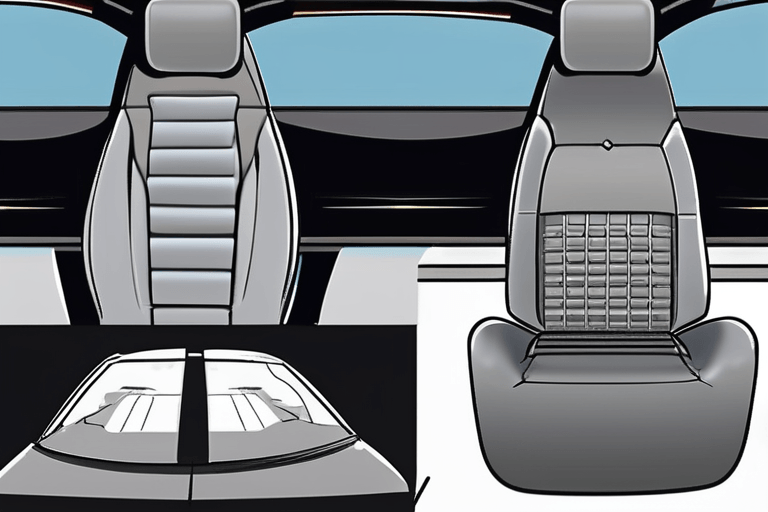
Recent crash tests conducted by the Insurance Institute for Highway Safety (IIHS) revealed that back seat safety in modern vehicles lags significantly behind front seat advancements, exposing potential risks for rear passengers. The IIHS is advocating for improved safety standards and more rigorous testing to incentivize automakers to enhance rear passenger protection.
For three decades, the IIHS has been conducting crash tests, but recent findings highlight a critical gap in safety. According to NPR News, the IIHS has been "smashing vehicles with an adult-sized dummy" to assess the effectiveness of safety measures. These tests aim to push automakers to improve crumple zones and seat belt technology in the rear of vehicles.
The push for enhanced safety standards comes amid other safety concerns across various sectors. Multiple news sources reported on a fatal light aircraft crash in Littleborough, Rochdale, which resulted in the deaths of two men. BBC Breaking reported that the Air Accidents Investigation Branch is investigating the incident. The crash has prompted calls for advancements in AI-powered aviation safety systems, such as predictive maintenance and real-time anomaly detection, to mitigate risks and prevent future tragedies.
In addition to aviation safety, concerns are growing about the use of artificial intelligence in government and media. MIT Technology Review noted that the US Department of Homeland Security has confirmed using AI video generators, and news outlets like MS Now have been accused of AI-editing images. This has sparked debate about the ethics and potential for manipulation, especially in the context of immigration policies and public perception, raising fears about the erosion of trust in information.
The IIHS aims to address the back seat safety issue through ongoing evaluation and innovation in automotive safety, ensuring comprehensive protection for all occupants. The organization hopes that by exposing the risks, automakers will prioritize improvements in rear passenger safety.


















Discussion
AI Experts & Community
Be the first to comment