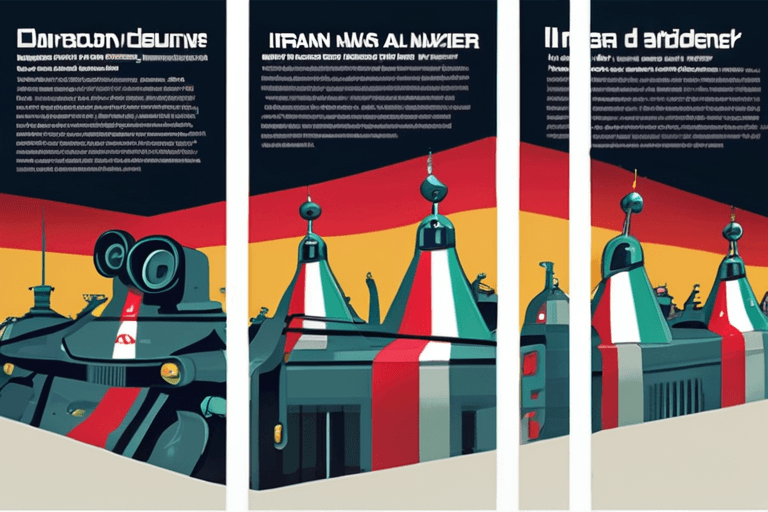
Tensions in the Strait of Hormuz escalated recently after Iranian Revolutionary Guard vessels approached a U.S.-flagged tanker and the Stena Imperative, a separate tanker, according to multiple reports including Euronews, Vanguard Tech, and UKMTO. The incidents occurred in a critical passage for global oil transport, prompting a U.S. warship to escort the Stena Imperative.
The encounters have heightened concerns amid warnings from Iranian officials about potentially blocking the strait if the U.S. launches an attack. While both tankers continued on their journeys, the incidents underscore the volatile geopolitical climate in the region.
These events unfold against a backdrop of other global developments, including internal challenges within Iran itself. February 1 marked the anniversary of Ayatollah Ruhollah Khomeini's return to Tehran in 1979 after 15 years of exile, according to Time. Millions of Iranians initially welcomed Khomeini, hoping he would bring democracy and economic prosperity. However, Time reports that Khomeini and his supporters instead transformed the Shah's authoritarian monarchy into a totalitarian theocracy, curtailing individual freedoms and establishing a rigid political theology.
Iran is also experiencing internal unrest, including internet blackouts, as reported by Phys.org. These disruptions are occurring alongside increased military presence in the Arabian Sea and global concerns surrounding AI misinformation.
In other international news, the Syrian government is taking steps to return Jewish religious and private properties to their original owners, decades after most of its Jewish community emigrated, according to NPR Politics. Control of religious sites is being transferred to a Jewish heritage foundation led by Syrian-American Henry Hamra. The initiative aims to restore properties to owners who were unable to sell before leaving in the early 1990s.

















Discussion
AI Experts & Community
Be the first to comment