Nature Publishes Correction to Protein Aggregation Study
A correction was published in Nature regarding a 2018 article on cotranslational assembly of protein complexes in eukaryotes, specifically addressing errors in Extended Data Figures 2a and 4d. Multiple news sources reported that the errors stemmed from misannotated strains during figure preparation.
The original article, published online August 29, 2018, investigated protein aggregation, protein interaction networks, ribosome function, protein quality control, and chaperone activity. According to Nature, the assays for multiple strains were performed together on the same petri dish, sharing a wild-type control, which led to the errors.
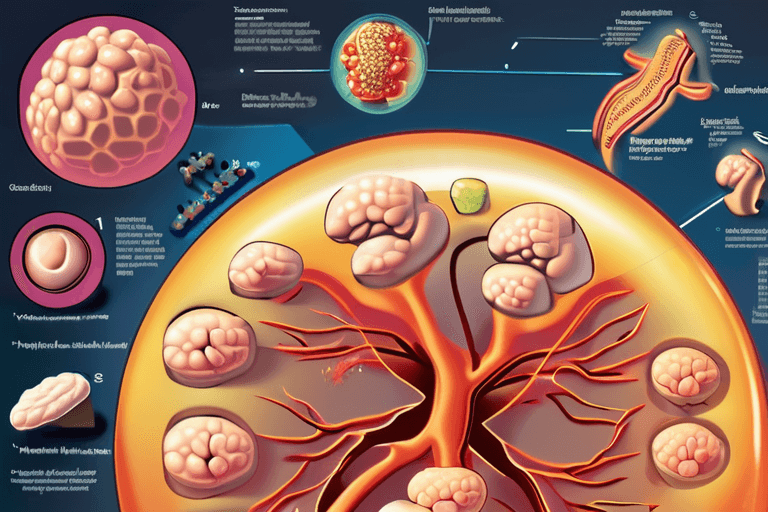
While the figures have been updated to reflect the correct strain annotations, the authors maintain that these changes do not alter the study's overall findings or conclusions about protein quality control and chaperone activity, according to multiple sources. The corrected figures are now available as Fig. 1.
The news of the correction comes amidst other scientific developments and global challenges. Other news includes the release of new open-source speech-to-text models by Mistral AI, a European company founded by Meta and Google DeepMind alumni. These models, Voxtral Mini Transcribe V2 and Voxtral Realtime, are designed for batch and real-time transcription and translation between 13 languages. Wired reported that the latter potentially enables seamless multilingual conversation by 2026. The models are smaller and more efficient than competitors and can run locally on devices, addressing privacy concerns.


















Discussion
AI Experts & Community
Be the first to comment