US Seeks to Counter China's Mineral Dominance Amid Global Concerns Over Human Rights and Political Instability
Washington D.C. - The United States is spearheading an initiative to establish a trade zone for critical minerals, aiming to challenge China's stronghold on the industry. The effort comes amid growing global concerns about human rights, democratic backsliding, and political instability in various nations, according to recent reports.
On Wednesday, the State Department hosted the inaugural Critical Minerals Ministerial event, drawing participation from countries and organizations including the UK, the European Union, Japan, India, South Korea, Australia, and the Democratic Republic of Congo, according to BBC Technology. Delegates convened to discuss the availability of and access to minerals crucial for manufacturing essential technologies, from smartphones to weapons.
The US initiative coincides with a new report highlighting a "democratic recession" worldwide. Human Rights Watch (HRW) reported that nearly three-quarters of the global population now live under autocratic rulers, levels not seen since the 1980s, according to The Guardian. The report cited growing authoritarianism and abuses in the US, Russia, and China as threats to the global rules-based order.
Political instability and human rights concerns are also evident in other parts of the world. In Uganda, opposition leader Bobi Wine remains in hiding nearly three weeks after a disputed election, as a social media feud with the country's military chief escalates, according to The Guardian. Wine has alleged mass fraud in the election and called on supporters to protest.
Meanwhile, in Venezuela, a close associate of deposed President Nicolás Maduro, Alex Saab, was reportedly detained in Caracas during a joint operation by Venezuela's intelligence agency and the FBI, according to The Guardian. Saab, a wealthy Colombian-Venezuelan businessman, has long been considered Maduro's frontman. At the same address, billionaire media mogul Raúl Gorrín was also reportedly arrested.
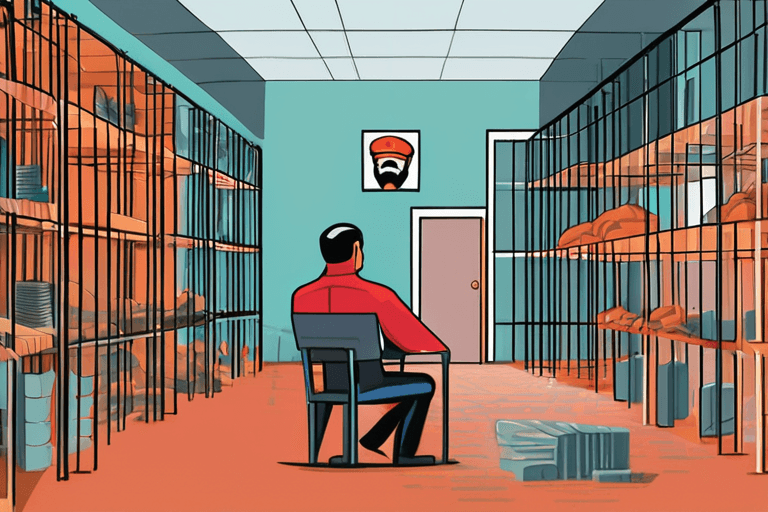
Adding to the complexities in Venezuela, the government plans to transform the notorious El Helicoide prison in Caracas into a cultural center, according to The Guardian. Critics argue that this move erases Venezuela's long history of repression. El Helicoide, originally designed as a drive-through shopping center in the 1950s, was never completed and became a prison under the regimes of Hugo Chávez and Nicolás Maduro.
The US effort to secure critical mineral supplies, coupled with global concerns about human rights and political stability, underscores the interconnected challenges facing the international community.


















Discussion
AI Experts & Community
Be the first to comment