Recent advancements in artificial intelligence and regenerative medicine are making headlines, while geopolitical interests and internal conflicts continue to shape international affairs. From AI model evaluations to skin revitalization research and the suppression of protests in Iran, developments across various sectors are demanding attention.
In the realm of artificial intelligence, the AI community closely monitors the progress of large language models. Every time companies like OpenAI, Google, or Anthropic release a new model, METR, an AI research nonprofit, updates a graph that has become a key indicator of AI capabilities, according to MIT Technology Review. The graph suggests that certain AI capabilities are developing at an exponential rate, with recent models outperforming previous trends. This was the case with Claude Opus 4.5, the latest version of Anthropic's most powerful model. Meanwhile, Mistral AI's speech-to-text model and Kilo's AI coding tool represent other advancements in the field, as noted by Nature News. However, these advancements are not without their challenges, as quality control issues, such as CPU identification errors and figure corrections in publications, highlight the need for accuracy and vigilance.
Simultaneously, research into rete ridges, structures in the skin that could harbor stem cells, offers potential breakthroughs in regenerative medicine. Researchers have been studying these ridges to understand how they form, with the hope of one day reversing aging in skin, Nature News reported. By studying animal models with skin similar to humans', scientists are uncovering clues to revitalize skin.
In international affairs, Donald Trump's interest in Greenland began with an intelligence briefing in early 2018, Time reported. During the briefing, Trump was informed about rising Russian submarine activity and the increased presence of Chinese vessels in the Arctic, which posed a security threat. According to a senior White House official, Trump became preoccupied with the idea that the U.S. needed a bigger and more permanent presence in Greenland due to its strategic location in the North Atlantic. In May of that year, Trump met with Ronald Lauder, who suggested that the U.S. could leverage Denmark's economic struggles to acquire Greenland.
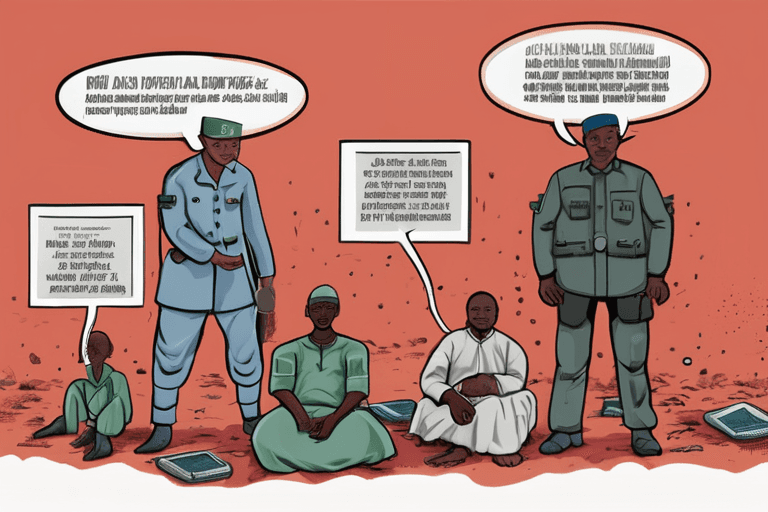
Meanwhile, in Iran, the Islamic Republic's suppression of recent protests has left many traumatized, according to Time. What began as peaceful demonstrations devolved into violence after the regime severed internet access and security forces opened fire on crowds. The sequence of events, according to Time, suggests that orders were issued to crush the protests by any means necessary.

















Discussion
AI Experts & Community
Be the first to comment