Recent Scientific Findings Span From Ancient Elephants to Skin Regeneration and Cancer Research
Recent scientific publications and corrections cover a diverse range of topics, from the discovery of the first direct evidence of Hannibal's war elephants in Spain to potential breakthroughs in skin regeneration and corrections to cancer research papers.
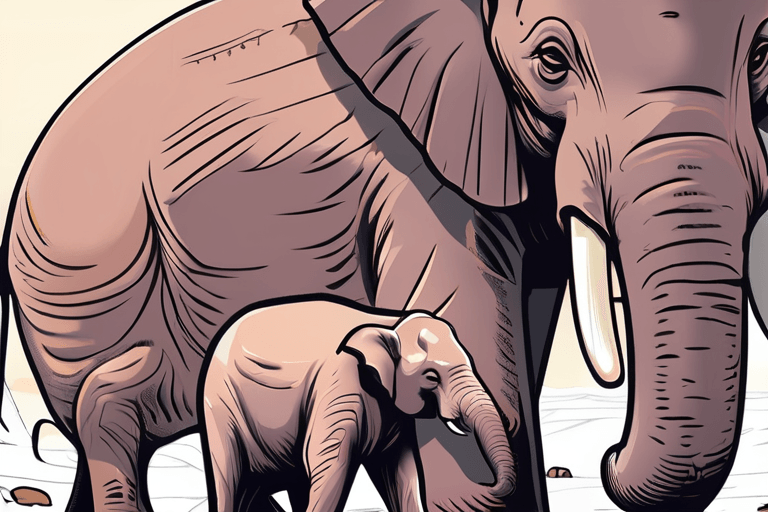
Archaeological evidence has confirmed the use of war elephants by Hannibal. A single bone discovered in Spain provides the first direct evidence of Hannibal's famed war elephants, according to a February 5, 2026, report by Phys.org. The bone, a third carpal, was found at Colina de los Quemados in Cordoba. Comparative analysis with modern Asian elephant bones confirmed its origin.
In other news, researchers are exploring the secrets of skin regeneration. According to Nature News, scientists have been studying rete ridges, structures in the skin that could harbor stem cells needed for regeneration. By examining animal models with skin similar to humans, they have found clues about how these ridges form, potentially leading to methods for reversing skin aging.
Meanwhile, corrections have been issued for two Nature articles related to cancer research. One correction addresses inaccuracies in figures within a paper on colibactin-driven colon cancer, specifically regarding labels in Figs. 2 and 3 (Nature News). The other correction concerns assembly inaccuracies in the Extended Data of a paper on PHGDH heterogeneity and cancer cell metastasis (Nature News). The raw data for the latter study remained correct, with errors occurring only during the assembly of extended data figures.
In an unrelated field, Time magazine reported on phrases that can help patients communicate effectively with their doctors. Dr. Robert Biernbaum, chief medical officer at WellNow Urgent Care, emphasized the importance of clear and detailed communication, stating that "a clear, detailed conversation with a patient gets you 80% there on a diagnosis." He advised patients to be honest and specific, focusing on changes over time and day-to-day experiences, rather than using self-diagnosed medical jargon.




















Discussion
AI Experts & Community
Be the first to comment