Tech World Buzzes with AI Developments, Space Ventures, and Streaming Scrutiny
The tech world witnessed a flurry of activity this week, ranging from advancements in artificial intelligence and space exploration to political scrutiny of streaming services. OpenAI launched a new agentic coding tool, Elon Musk pursued orbital data centers, NASA prepared to send smartphones to space, and Netflix faced criticism from Republicans.
OpenAI unveiled GPT-5.3 Codex, a model designed to enhance its existing Codex coding tool, according to TechCrunch. The company claimed the new model could create complex games and apps from scratch in days and was instrumental in creating itself. OpenAI also stated that GPT-5.3 Codex is 25% faster than its predecessor, GPT-5.2.
Meanwhile, Elon Musk's plans for orbital data centers appeared to be gaining momentum. Last Friday, SpaceX filed plans with the Federal Communications Commission (FCC) for a million-satellite data center network, TechCrunch reported. The formal merger between SpaceX and xAI, which went forward on Monday, further solidified Musk's space and AI ventures. The FCC accepted the filing on Wednesday and set a schedule seeking public comment.
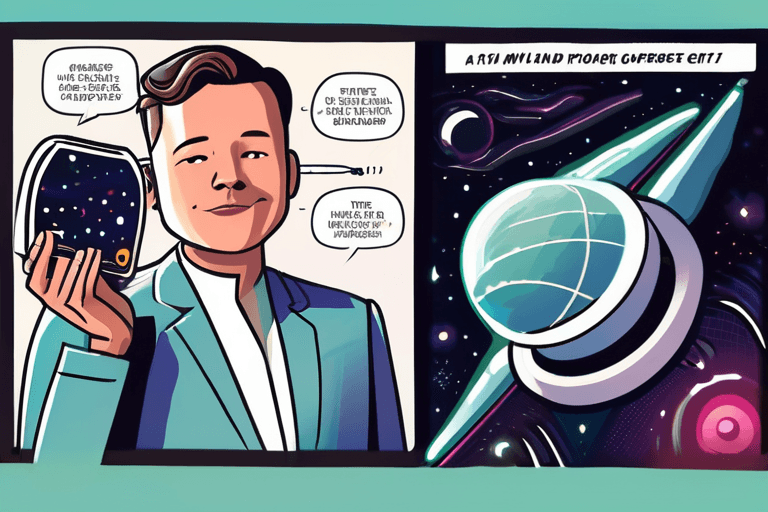
In space exploration news, NASA astronauts will be allowed to bring their smartphones to space for the first time, starting with the Crew-12 and Artemis II missions, according to TechCrunch. Crew-12 is expected to head to the International Space Station next week, while the Artemis II mission, which will bring humans around the moon, was delayed until March. NASA administrator Jared Isaacman wrote on X, "We are giving our crews the tools to capture special moments for their families and share inspiring images and video with the world."
On the streaming front, Netflix co-CEO Ted Sarandos faced a "performative Republican attack about the spread of woke ideology on the streaming service" during a Senate antitrust hearing related to the Warner Bros. merger, The Verge reported. The hearing, which was supposed to focus on antitrust issues, shifted to a discussion about the content offered on the streaming platform.
Amidst these developments, Andreessen Horowitz general partner Jennifer Li cautioned against the "ARR mania" in the AI investment landscape. Speaking on TechCrunch's Equity podcast, Li stated that "not all ARR is created equal, and not all growth is equal either," suggesting that startups should not solely focus on achieving high annual recurring revenue (ARR) numbers.





















Discussion
AI Experts & Community
Be the first to comment