A close ally of the former Venezuelan president Nicolás Maduro, Alex Saab, was reportedly detained in Caracas during a joint operation by Venezuela's intelligence agency and the FBI, according to The Guardian. The wealthy Colombian-Venezuelan businessman, considered Maduro's frontman, could face extradition to the United States within days. Simultaneously, an explosion at an illicit coal mine in northeast India claimed the lives of at least 18 people, with others feared trapped, as reported by Al Jazeera.
The detention of Saab, as detailed by The Guardian, also involved the reported arrest of billionaire media mogul Raúl Gorrín at the same address. Saab's potential extradition to the U.S. marks a significant development, given his long-standing association with Maduro. The Guardian noted that the operation was a joint effort between Venezuelan and U.S. authorities.
In Venezuela, the National Assembly passed an initial vote on an amnesty law that would provide clemency to political prisoners, stirring hopes among the opposition, according to Al Jazeera. Members of both the governing socialist party and the opposition delivered speeches in favor of the new legislation, known as the Amnesty Law for Democratic Coexistence.
Meanwhile, in India, the coal mine explosion occurred in a remote part of the East Jaintia Hills district, as reported by Al Jazeera. Local authorities confirmed that 18 bodies had been recovered, and eight others were injured. Rescuers paused operations at sundown and planned to resume the search on Friday, according to local official Manish Kumar.
In other news, United States President Donald Trump appeared to endorse the deal struck by British Prime Minister Keir Starmer to hand over the sovereignty of the Chagos Islands to Mauritius, according to Al Jazeera. Trump had previously criticized the United Kingdom's decision to cede sovereignty of the Indian Ocean archipelago, which includes a joint US-UK military base on the island of Diego Garcia.
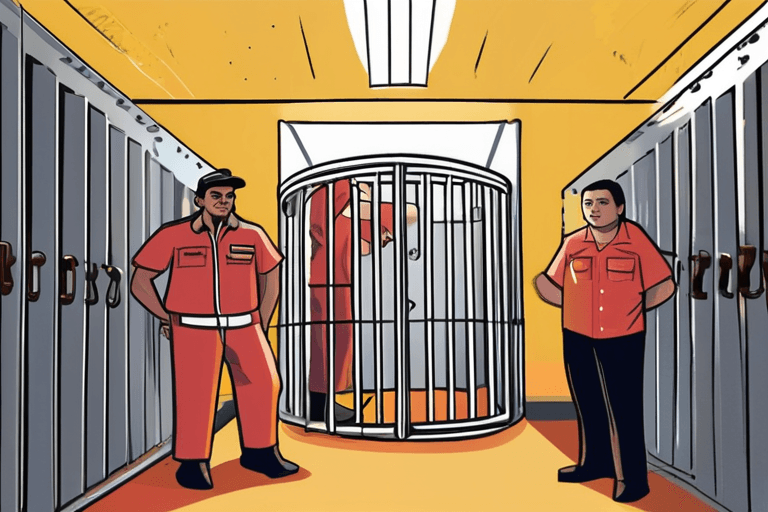
Finally, The Guardian reported on Venezuela's plan to transform the notorious prison El Helicoide into a cultural center. Critics, however, argue that this move erases the country's history of repression. The building was originally designed in the 1950s as a futuristic shopping center but was never completed.




















Discussion
AI Experts & Community
Be the first to comment