Here's a news article synthesizing information from the provided sources:
Trump Administration Makes Several International Moves Amidst Domestic Concerns
WASHINGTON, D.C. - In a series of international developments, former President Donald Trump signed a proclamation to increase U.S. imports of Argentinian beef, while Cuba expressed a willingness to engage in talks with the U.S. and a close associate of the deposed Venezuelan president Nicolás Maduro was reportedly detained in Caracas. These events unfolded amidst a backdrop of domestic concerns, including an environmental disaster in New Zealand and a snap election in Japan.
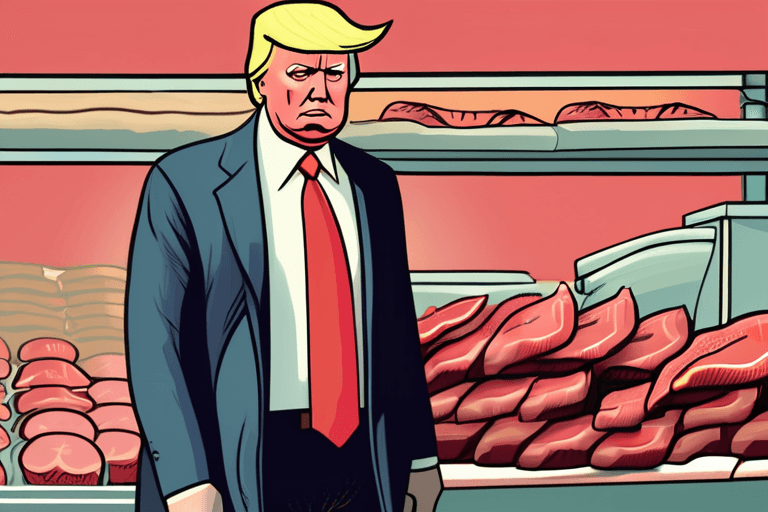
According to a White House official, Trump's decision to hike low-tariff imports of Argentinian beef, announced in October, was met with criticism from U.S. cattle ranchers. Economists, however, predicted the move would have little impact on prices for American consumers. The proclamation was signed on Friday.
Meanwhile, Cuban President Miguel Díaz-Canel stated his government's willingness to engage with Washington, according to The Guardian. This announcement came after months of threats from the Trump administration. The Cuban leader's statement followed the funeral of Cuban officers killed during a U.S. operation in Venezuela.
In Venezuela, a joint operation by the FBI and Venezuela's intelligence agency led to the reported detention of Alex Saab, a close associate of the deposed Venezuelan president Nicolás Maduro. Saab, a wealthy Colombian-Venezuelan businessman, was considered Maduro's frontman. Reports indicated that billionaire media mogul Raúl Gorrín was also arrested at the same address. Saab could potentially be extradited to the U.S. in the coming days.
Elsewhere, in Wellington, New Zealand, an environmental disaster unfolded as millions of liters of untreated sewage flowed into the sea due to a failure at a wastewater treatment plant. Local authorities advised residents not to enter the water, collect seafood, or walk their dogs on local beaches.
In Japan, voters prepared to head to the polls for a snap election called by Prime Minister Sanae Takaichi, who became the country's first female prime minister in October of the previous year. Takaichi, enormously popular in Japan, hoped to translate her goodwill into more seats for the conservative Liberal Democratic Party (LDP). The election was scheduled for this weekend.


















Discussion
AI Experts & Community
Be the first to comment