Bitcoin's price plummeted to its lowest level in 16 months, while China overturned the death sentence of a Canadian citizen, and Cuba expressed willingness to engage in talks with the United States, according to multiple news reports. These events, alongside a snap election in Japan and revelations about Prince Andrew's financial dealings, dominated headlines on Friday.
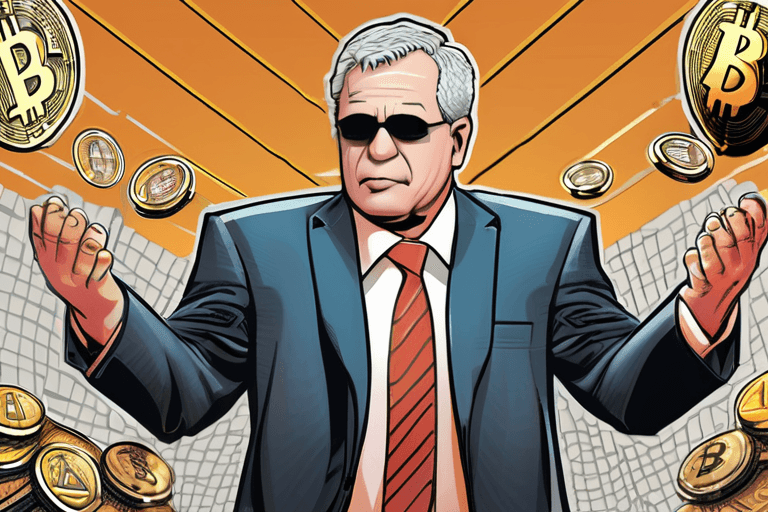
The price of Bitcoin fell to $60,000 (44,000), its lowest point since September 2024, despite public support for cryptocurrency from former US President Donald Trump, according to BBC Technology. This drop followed a period of surging prices, which saw Bitcoin reach an all-time high of $122,200 in October 2025. "Those who bet too big, borrowed too much or assumed prices only go up are now finding out the hard way what real market volatility and risk management look like," Joshua Chu, co-chair of the Hong Kong Web3 Association, told Reuters.
In a potential sign of improved diplomatic relations, China overturned the death sentence of Canadian Robert Lloyd Schellenberg, as reported by The Guardian. Schellenberg was initially detained on drug charges in 2014, and the decision comes as Prime Minister Mark Carney seeks to boost trade ties with Beijing.
Meanwhile, Cuba expressed its willingness to engage in talks with the United States, according to The Guardian, despite months of threats from Donald Trump. Cuban President Miguel Díaz-Canel stated his government's openness to dialogue amid the island's deepening economic crisis.
In Japan, voters prepared to head to the polls for a snap election called by Prime Minister Sanae Takaichi, who became the country's first female prime minister in October of the previous year, as reported by Al Jazeera. Takaichi, who is enormously popular, hoped to translate that goodwill into more seats for the conservative Liberal Democratic Party.
Emails revealed Prince Andrew's financial discussions with controversial businessman David Rowland, who Andrew referred to as his "trusted money man," according to BBC Business. The emails, part of the Epstein files, showed Andrew attempting to promote Rowland's financial ventures while he was the UK's trade envoy. However, Epstein appeared hesitant to engage with Rowland, after being warned that the UK press considered him a "shady financier."
















Discussion
AI Experts & Community
Be the first to comment