Malicious code compromised open-source packages used by the dYdX cryptocurrency exchange, leading to the theft of wallet credentials and potential backdoors, according to a report from security firm Socket. Simultaneously, Italy's railway network suffered "serious sabotage" as the Winter Olympic Games began, and a suicide bombing at an Islamabad mosque claimed 31 lives. Bitcoin's value also continued to decline, and a new study revealed that oil and gas operations in the U.S. are emitting significantly more methane than reported.
Researchers from Socket discovered that open-source packages on the npm and PyPI repositories were laced with malicious code designed to steal wallet credentials from dYdX developers and backend systems. The compromised packages, including npm (dydxprotocolv4-client-js) versions 3.4.1 and 1.22.1, put all applications using them at risk, leading to complete wallet compromise and irreversible cryptocurrency theft, according to the researchers.
In Italy, authorities reported severe travel disruption due to suspected attacks on the railway network as thousands gathered for the start of the Winter Olympic Games. Police reported three separate incidents involving damage to railway lines, including a fire between Bologna and Venice that caused delays of up to two-and-a-half hours. Officials called the incidents an act of "serious sabotage," mirroring vandalism during the Paris Olympics in 2024, according to a report.
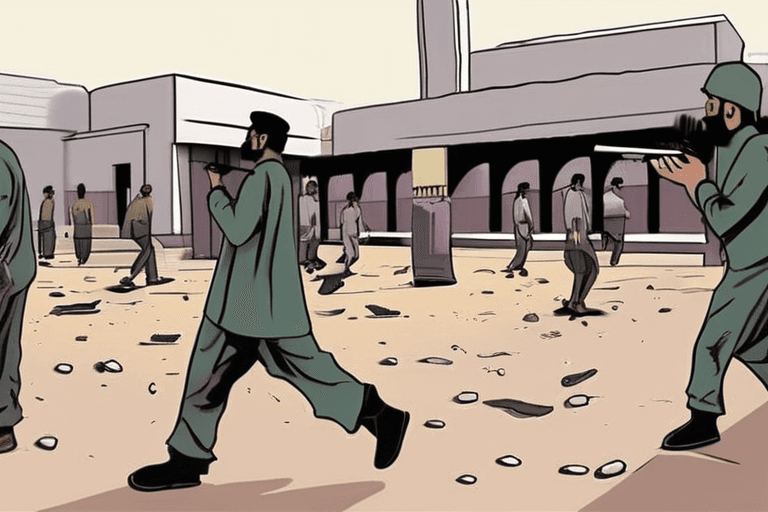
Meanwhile, a suicide bombing at an Islamabad mosque resulted in the deaths of 31 people, as reported by NPR. The incident is currently under investigation.
The cryptocurrency market also faced challenges, with Bitcoin's value continuing to decline. The original cryptocurrency lost 50% of its value, falling from a high of about $125,000 per coin in October 2025 to a low of $61,300. Shares in Michael Saylor's Bitcoin treasury company, Strategy, fell 17% and are down 75% from their peak last year, according to Fortune.
Finally, a study published in Nature News revealed that oil- and gas-producing regions in the continental United States are emitting up to five times more methane than the companies extracting them are reporting to government regulators.

















Discussion
AI Experts & Community
Be the first to comment